
Views: 0 Author: Site Editor Publish Time: 2026-03-16 Origin: Site


Ever wondered how tiny pumps control fluids so precisely? This article compares Micro Pump and miniature pump performance. You’ll learn differences, applications, and why Micro Pump is vital for precision control.
A Micro Pump is a compact, highly precise device designed to control fluid flow in small-scale systems. It measures less than an inch in many dimensions but delivers remarkable performance. They are commonly used where precision is critical, such as medical dosing systems, laboratory microfluidics, and semiconductor cooling.
● Core Characteristics:
○ Extremely accurate flow control for micro-liter applications.
○ Can handle a wide range of viscosities and temperatures.
○ Often incorporates advanced materials like PTFE or stainless steel for chemical resistance.
● Typical Flow and Pressure:
Micro pumps can operate at flow rates as low as 0.3 L/min and handle pressures up to 7 bar, depending on the mechanism. They are often designed for DC-powered, low-energy operation, making them ideal for portable devices.
● Applications Requiring Precision:
They excel in scenarios demanding zero-leakage, consistent flow, and high repeatability. Examples include insulin delivery systems, lab-on-a-chip devices, and precise reagent dispensing.
Feature | Micro Pump | Notes |
Flow Rate | 0.3–70 L/min | Adjustable depending on pump type |
Pressure | Up to 7 bar | Suitable for high-precision applications |
Size | <1 inch in many dimensions | Ideal for tight-space integration |
Energy | Low, often DC-powered | Supports portable and battery-operated devices |
They are not only technically robust but also highly adaptable. Companies like Suofu provide customizable micro pumps for clients needing tailored performance in demanding fields, combining decades of expertise and patented technologies to ensure reliability.
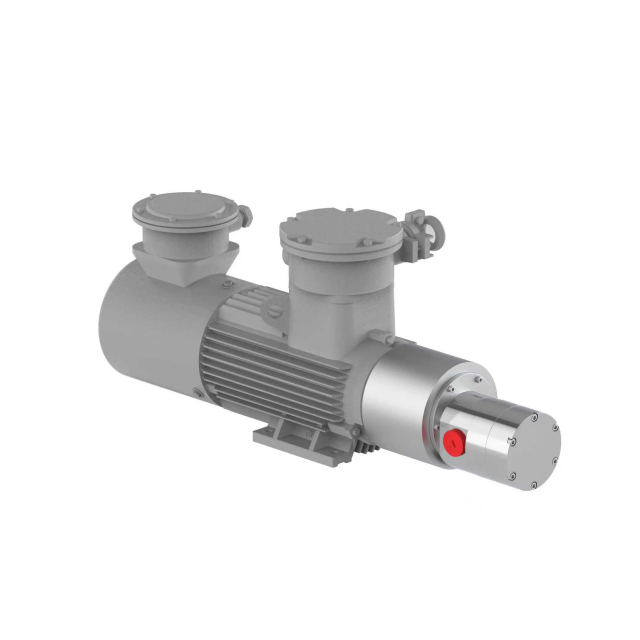
A Miniature Pump serves similar functions but emphasizes compact size and low energy consumption rather than extreme precision. It’s suitable for general fluid handling in smaller devices where tight tolerances are less critical.
● Core Characteristics:
○ Small volume, lightweight, often easy to install.
○ Typically designed for low-noise operation, making them suitable for indoor or portable applications.
○ Uses simple mechanical designs like diaphragm or piston mechanisms.
● Size and Energy Differences:
Miniature pumps are slightly larger than micro pumps in some configurations but often draw less power, allowing for longer battery life. They are less precise but provide efficient, reliable flow for tasks like portable nebulizers, air sampling, or DIY electronics.
● Typical Applications and Industries:
○ Consumer electronics: compact humidifiers, small air purifiers.
○ Medical devices: handheld diagnostic tools or low-dose delivery systems.
○ Industrial: lightweight fluid circulation in equipment with moderate precision needs.
Micro pumps are engineered for extreme precision, enabling exact fluid metering in micro-liter scales. They use advanced mechanisms such as pistons, diaphragms, or piezoelectric actuators to maintain stable, consistent flow, even under variable conditions. Applications like medical dosing, chemical analysis, and microfluidics demand this level of accuracy.
● Key features of micro pumps:
○ Feedback control systems maintain precise flow across changing pressures.
○ Real-time adjustments allow for exact dosing in sensitive applications.
○ Chemical compatibility with viscous or aggressive fluids ensures reliability.
○ Compact size allows integration into tight spaces without sacrificing precision.
Miniature pumps, by contrast, prioritize compact design and efficiency over extreme precision. They provide sufficient flow control for portable or moderate-demand applications but may experience slightly higher variability in flow.
Feature | Micro Pump | Miniature Pump |
Flow Accuracy | ±1–2% | ±5–10% |
Mechanism | Piston/Diaphragm/Piezoelectric | Diaphragm or simple piston |
Ideal Applications | Medical devices, lab-on-chip, semiconductor | Portable devices, low-precision fluid handling |
Fluid Compatibility | Low to high viscosity, chemically sensitive | Low to medium viscosity |
Micro pumps handle higher pressures while maintaining consistent flow, and they operate across a wide temperature range, making them suitable for demanding industrial or medical applications. Miniature pumps operate at moderate pressures and are ideal for less critical systems.
● Performance considerations:
○ Micro pumps: Up to 7 bar, temperature range -20°C to 80°C+, compatible with high-viscosity fluids.
○ Miniature pumps: Up to 5 bar, standard temperature range 0°C to 60°C, suitable for low to medium viscosity.
○ Micro pumps often feature advanced sealing to prevent leakage under high pressure.
Both micro and miniature pumps are designed for compact, low-noise operation, but micro pumps excel in environments requiring minimal sound and precise energy use.
● Advantages of micro pumps:
○ Quiet operation, essential for labs and medical devices.
○ Low power consumption, ideal for battery-powered or portable devices.
○ Compact design fits in constrained spaces while maintaining precision.
● Advantages of miniature pumps:
○ Lightweight, portable, and easy to integrate.
○ Low-to-moderate noise, suitable for consumer electronics.
○ Energy-efficient for simple tasks, though with lower precision than micro pumps.
Micro Pumps are widely used in the medical field because they offer high-precision fluid control, which is essential for patient safety and therapeutic effectiveness. Devices such as insulin pumps, chemotherapy delivery systems, and wearable drug dispensers rely on their consistent flow and accurate dosing. They can deliver tiny volumes repeatedly without variation, making them indispensable in life-critical applications.
● Benefits of micro pumps in medicine:
○ Accurate micro-liter dosing ensures proper medication levels.
○ Low-noise and compact design allows for wearable or bedside devices.
○ Chemical resistance and durability handle sensitive or corrosive medications.
Device Type | Typical Flow Requirement | Why Micro Pump Works |
Insulin Pump | 0.3–5 mL/hr | Precise, repeatable dosing |
Chemotherapy | 1–10 mL/hr | Safe, controlled infusion |
Wearable Drug Dispenser | 0.5–3 mL/hr | Small, quiet, portable |
Suofu’s micro pumps are often chosen for custom medical systems, providing adjustable flow rates and pressure ranges that match each device’s strict requirements.
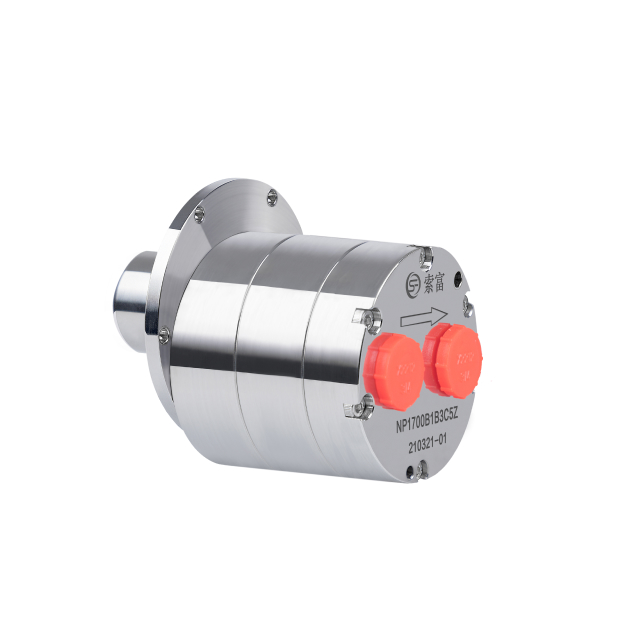
Micro pumps are a staple in laboratory environments, particularly in lab-on-a-chip systems, microfluidics, and chemical analyzers. They ensure consistent flow, minimal pulsation, and reproducible results, which are critical for experiments and quality testing. These pumps are compact enough to integrate into small analytical instruments without affecting precision.
● Key advantages in labs:
○ Flow stability supports long-term experiments and continuous assays.
○ Compatibility with various reagents and solvents protects sensitive samples.
○ Programmable operation allows automation and synchronized multi-step processes.
In industrial and electronics settings, micro and miniature pumps manage fluid flow for cooling, chemical metering, or lubrication. Micro pumps excel in high-precision tasks, such as semiconductor cooling or chemical dosing in automated systems, whereas miniature pumps often handle less critical circulation tasks.
● Industrial advantages of micro pumps:
○ Precise metering for chemical processing or additive dosing.
○ Compact, quiet operation ideal for electronics or machinery with tight spaces.
○ Durable design ensures continuous performance in automated systems.
● Typical industrial uses:
○ Electronics: circulating coolant to maintain temperature in high-performance devices.
○ New energy systems: fuel cells, battery electrolyte circulation.
○ Automated machinery: precise lubrication or chemical metering.
Selecting the right pump is a critical step when designing any fluid control system. Engineers must balance performance, reliability, and cost while ensuring that the pump integrates smoothly with surrounding equipment.
In applications requiring extremely precise liquid transfer, a Micro Pump is often the preferred choice. Its compact design and precise flow control allow it to function efficiently in small and highly controlled environments.
However, the final decision should always depend on technical requirements such as flow rate, pressure, and operating conditions.
When choosing a Micro Pump, engineers should evaluate the entire fluid system rather than focusing on the pump alone. Each parameter—from fluid characteristics to system space limitations—can significantly affect performance.
Because micro pumps are frequently installed in compact equipment such as medical devices, analytical instruments, and portable industrial systems, even small design mismatches can lead to inefficiency or instability.
● Key considerations:
○ Flow rate and pressure requirements
Engineers must first determine the amount of liquid that needs to be transferred and the pressure required to move it through the system. Micro pumps are designed for precise low-flow applications, often handling micro-liter to milli-liter volumes. Selecting an inappropriate flow range may lead to unstable dosing or inefficient operation.
○ Chemical compatibility
Fluids used in industrial or laboratory environments may be corrosive, reactive, or highly viscous. Choosing pump materials that resist chemical damage—such as PTFE, stainless steel, or engineered polymers—helps prevent leaks and significantly extends pump lifespan.
○ Fluid properties
Fluid characteristics such as viscosity, temperature, and particle content directly influence pump efficiency. Highly viscous liquids require stronger pumping mechanisms, while fluids containing particles may require filtration or wider flow channels to prevent clogging.
○ System integration and space limitations
In compact systems, installation space is often extremely limited. Designers must consider pump size, mounting orientation, and connection interfaces to ensure smooth integration with other components.○ Reliability and maintenance
High-precision micro pumps are typically engineered for long service life. However, regular inspections and calibration checks help maintain consistent accuracy and prevent unexpected downtime in critical applications.
○ Operational environment
Environmental conditions such as vibration sensitivity, temperature fluctuations, or noise restrictions may also influence pump selection. Many micro pumps are designed to operate quietly and smoothly, making them ideal for laboratory or medical environments.
One of the biggest advantages of a Micro Pump is its ability to be customized. Manufacturers often design these pumps for OEM systems, allowing engineers to tailor key performance parameters based on the needs of the application.
Customization may involve adjusting electrical specifications, flow capacity, or mechanical configuration. This flexibility allows micro pumps to be used in industries ranging from biotechnology and diagnostics to industrial automation.
● Advantages of customization:
○ Tailored flow rates
Customized flow settings allow pumps to deliver extremely precise volumes of liquid, which is essential for applications such as chemical dosing, drug delivery, and laboratory experiments.
○ Adjustable pressure ranges
Different systems require different pressure levels. Adjustable pressure configurations allow the pump to handle fluids with varying viscosity while maintaining stable operation.
○ Voltage flexibility
Micro pumps can be designed to support multiple voltage options. This makes them compatible with battery-powered equipment, portable devices, and embedded systems.
○ Easy system integration
Customized connectors, mounting structures, and control interfaces allow micro pumps to integrate seamlessly into medical equipment, analytical devices, and industrial machinery.
○ Scalability for production growth
Some manufacturers provide scalable pump solutions that allow systems to expand as production needs grow. This ensures that fluid control systems remain efficient even when operational demands increase.
Cost is always an important factor when selecting a pump. Although Micro Pumps may involve a higher initial investment due to their precision engineering, their long-term value often outweighs the upfront cost.
Because micro pumps are designed for accuracy and durability, they can significantly reduce maintenance needs, system failures, and energy consumption over time.
Miniature pumps typically cost less initially. However, in applications that require extremely precise fluid control, they may not provide the same level of accuracy or stability, which can lead to higher operational costs in the long run.
Consideration | Micro Pump Advantages |
Initial Cost | Higher upfront investment but justified by precision and durability |
Maintenance | Low maintenance due to stable design and fewer mechanical stresses |
Operational Efficiency | High efficiency reduces energy use and downtime |
Precision Control | Accurate dosing and stable flow performance |
Scalability | Customizable for both small prototypes and large-scale systems |
Micro pumps offer high-precision fluid control for medical, lab, and industrial uses, while miniature pumps suit general applications. Super Fluid’s micro pumps provide reliable performance, customizable flow, and durability, delivering value across diverse systems.
A: A micro pump is a compact device designed for precise fluid control in small-scale applications.
A: Micro pumps provide higher accuracy, pressure handling, and stability, whereas miniature pumps focus on general fluid movement.
A: Micro pumps ensure accurate dosing and consistent flow, essential for devices like insulin or chemotherapy pumps.
A: Yes, micro pumps can be adjusted for flow rate, pressure, and voltage to meet specific system requirements.
A: They offer precise control, durability, low noise, and compatibility with sensitive or high-viscosity fluids.


