
Views: 0 Author: Site Editor Publish Time: 2026-03-16 Origin: Site


Ever wondered how Micro Pump systems outperform traditional miniature hydraulics? In this article, we explore precision, flow control, and efficiency. You will learn how Micro Pumps deliver reliable, leak-free performance across medical, lab, and industrial setups.
A Micro Pump is a compact device designed to move small volumes of fluid with high precision. It allows controlled liquid transport in systems where accuracy is critical. They are widely used in medical devices, chemical dosing, and electronic cooling. Unlike conventional pumps, they operate efficiently at miniature scales, handling sensitive or corrosive fluids safely.
Micro Pumps come in several types, each suited for specific tasks:
● Magnetic Gear Pumps: Use magnetic coupling to drive gears without mechanical contact, eliminating seals. They excel in chemical processing and laboratory systems.
● Diaphragm Pumps: Use a flexible diaphragm to create suction and expel fluid. Reliable for liquids and gases, ideal for medical and contamination-sensitive systems.
● Piston Pumps: Utilize a reciprocating piston to pressurize and move fluid. Offer high-pressure handling and precise volume control for dosing or microcirculation.
● Peristaltic Pumps: Compress and release a flexible tube to move fluid, keeping it isolated from pump components. Perfect for biological or corrosive fluids.
Type of Micro Pump | Mechanism | Typical Applications | Key Benefit |
Magnetic Gear | Gear rotation via magnetic coupling | Chemical dosing, lab instruments | Leak-free, low maintenance |
Diaphragm | Flexible diaphragm motion | Medical infusion, analytical instruments | Contamination-free, reliable |
Piston | Reciprocating piston | Fuel injection, precise dosing | High pressure, accurate volume |
Peristaltic | Tubing compression | Biological fluids, corrosive chemicals | Fluid isolation, easy maintenance |
They vary in flow rates, from micro-liters per minute to several liters per minute, depending on model. Suofu’s NP series exemplifies this versatility, offering precision and reliability for demanding conditions.
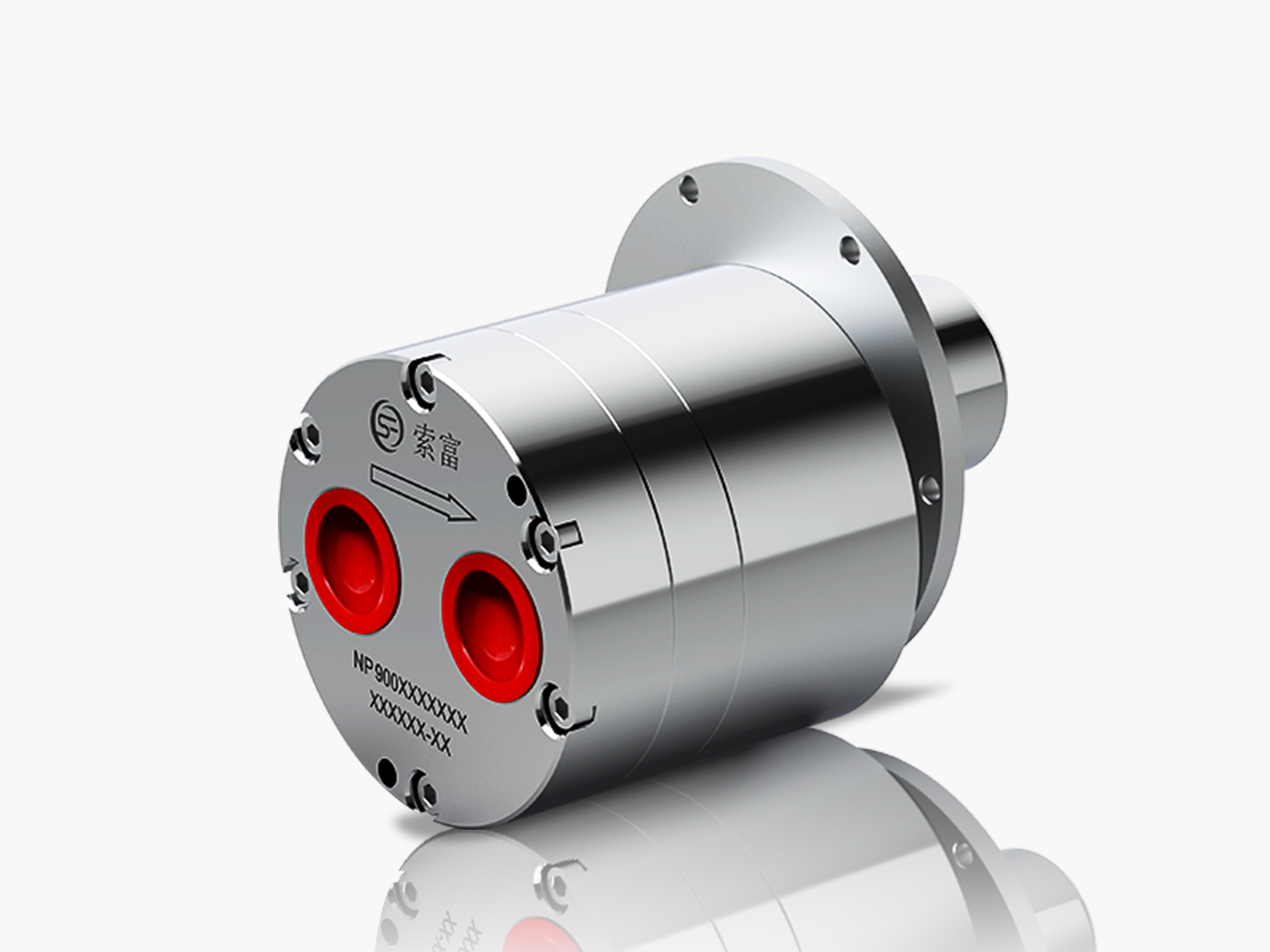
Micro Pumps are engineered for precision, compactness, and efficiency. They maintain consistent flow even at very low volumes, making them essential in applications where small errors have big consequences. Their small size allows integration into tight spaces like portable medical devices or automated lab systems.
Key attributes include:
● Precision Flow Control: Enables accurate micro-volume delivery for chemical dosing, medical infusion, or lab instruments.
● Leak-Free Operation: Magnetic and diaphragm designs eliminate mechanical seals, reducing contamination risk.
● Energy Efficiency: Operates with low power consumption, suitable for battery-powered or continuous systems.
● Durability: Fewer moving parts reduce wear. High-grade materials enhance chemical resistance and service life.
● Adaptability: Compatible with a wide range of fluids including water, oils, glycol, and acids.
● Smooth Operation: Reduces pulsation and noise, ideal for sensitive electronics or lab equipment.
Miniature hydraulic pumps are compact devices engineered to move fluid under pressure in small-scale systems. They often use internal gears, pistons, or vane mechanisms to generate flow. These pumps handle a range of pressures, from low-pressure precision applications to moderate pressures suitable for light industrial tasks. They can deliver a surprisingly high force in small envelopes, allowing integration into mobile equipment or constrained automation setups. Unlike Micro Pumps, they typically rely on mechanical seals, which can wear over time and require careful maintenance.
Pump Type | Mechanism | Typical Pressure | Typical Flow Range |
Internal Gear | Meshing gears | Up to 300 bar | Low to moderate flow |
Piston | Reciprocating pistons | Up to 500 bar | Medium flow |
Vane | Rotating vanes | Up to 250 bar | Low to high flow |
These systems are valued for their robust performance despite small size. They are often included in portable hydraulic tools, construction machinery, and small industrial machines. Miniature hydraulic pumps are versatile but sometimes heavier and more complex compared to Micro Pump solutions.
Miniature hydraulic pumps offer impressive torque and force in small packages, making them suitable for tasks that require consistent motion or high-pressure fluid delivery. They can operate in continuous-duty cycles and handle a variety of fluid viscosities. However, the reliance on mechanical seals introduces potential leakage points, which increase maintenance demands. Energy consumption may be higher than Micro Pumps, especially in low-flow scenarios. Space constraints can also limit their installation options, particularly in tightly packed medical or laboratory systems.
● High Performance: They provide stable pressure and consistent torque, useful in mobile and industrial equipment.
● Maintenance Needs: Mechanical seals can wear, requiring periodic replacement and monitoring.
● Energy Considerations: Less efficient at very low flows compared to micro-scale magnetic pumps.
● Installation Flexibility: Space requirements may restrict usage in compact, portable systems.
Miniature hydraulic pumps find use across a variety of light to medium-duty equipment. Examples include mobile construction machinery, agricultural tools, and automation systems in manufacturing. They are sometimes employed in small industrial machines for fluid circulation, pressure testing, or actuation. While they can perform similar tasks as Micro Pumps, their larger footprint and mechanical complexity make them more suited for applications where high force outweighs compactness or contamination-free operation.
Applications vs Micro Pumps:
● Mobile hydraulic lifts vs Micro Pump fluid dosing.
● Small presses and automation arms vs precision laboratory systems.
● Light construction and testing rigs vs compact electronic cooling loops.
Miniature hydraulic pumps are robust and capable but often less precise at very low flows. They excel in durable, continuous-duty environments, while Micro Pumps handle high-precision, low-volume tasks more effectively.
Micro Pumps deliver exceptional accuracy at very low flow rates. They maintain stable fluid movement even in microliter-per-minute applications. This makes them perfect for medical devices, laboratory instruments, and chemical dosing systems. In contrast, miniature hydraulic pumps can generate high pressure and torque but may struggle to maintain smooth flow at minimal volumes. Micro Pumps operate pulsation-free, reducing vibration and ensuring consistent dosing.
● Steady Flow: Magnetic gear or diaphragm Micro Pumps provide continuous fluid delivery.
● Low-Volume Accuracy: Enables precise metering in sensitive applications.
● Reduced Vibration: Gear design minimizes pulses compared to piston or vane hydraulic pumps.
Feature | Micro Pump | Miniature Hydraulic Pump |
Flow Accuracy | High precision at microflow | Moderate, better at higher flow |
Pulsation | Smooth and continuous | Can have pulsation at low flow |
Ideal Applications | Labs, medical devices, micro-dosing | Small machinery, mobile hydraulic tools |
Magnetic drive Micro Pumps eliminate mechanical seals, reducing leak risks substantially. They are engineered for minimal wear and require less maintenance. Hydraulic miniature pumps rely on mechanical seals that can degrade over time, increasing the chance of fluid leaks and higher maintenance needs. Micro Pumps also allow safer handling of corrosive or sensitive liquids because fluid remains sealed from mechanical components.
● Magnetic Coupling: Removes contact points, preventing leaks.
● Durability: Fewer moving parts extend operational life.
● Maintenance Ease: No frequent seal replacements required.
Micro Pumps are compact and energy-efficient, suitable for tight or portable systems. They operate reliably on low-power motors, sometimes as small as 5–50 W, depending on the application. Miniature hydraulic pumps require larger footprints and higher energy input to generate comparable pressure and flow. Space constraints can limit installation options in electronics or lab devices. Efficiency at low flow favors Micro Pumps, making them ideal where precision, small volume, and low energy use are priorities.
● Compactness: Fits in constrained devices.
● Low Power Use: Reduces operational energy costs.
● Integration Flexibility: Can mount in portable or automated systems easily.
Choosing the right pump technology is a crucial step in designing any fluid control system. Engineers must consider performance, reliability, and system compatibility before selecting a pump. In many modern systems, especially those involving precision fluid control, the decision often comes down to choosing between a Micro Pump and a miniature hydraulic pump.
The first step in selecting a Micro Pump is to evaluate the required flow rate and pressure levels. Different applications demand different fluid delivery characteristics. Medical devices, laboratory automation systems, and industrial equipment each require pumps capable of operating within specific ranges.
Micro Pumps are particularly effective in systems that require precise delivery of small fluid volumes. These pumps are commonly used when the required flow rate is measured in micro-liters or milliliters per minute. In contrast, miniature hydraulic pumps are designed for higher flow rates and stronger pressure output.
● Accurate Flow Measurement
Carefully calculate the required flow rate, which may range from micro-liters per minute to several milliliters per minute depending on the application.
● Pressure Matching
Ensure the pump can generate enough pressure to overcome resistance in tubing, valves, and filters within the system.
● Energy Efficiency
Avoid oversizing the pump. Properly selected Micro Pumps consume significantly less power when operating at low flow rates, making them ideal for portable or energy-sensitive devices.
Application | Flow Range | Pressure Range | Recommended Pump |
Medical infusion | 0.1–5 mL/min | 1–5 bar | Micro Pump |
Lab automation | 1–50 mL/min | 1–10 bar | Micro Pump |
Industrial actuation | 50–500 mL/min | 10–50 bar | Miniature Hydraulic Pump |
This comparison highlights how different operating requirements influence pump selection. Low-flow precision applications benefit from Micro Pumps, while systems that require strong mechanical force typically rely on miniature hydraulic pumps.
Another critical factor when selecting a pump is fluid compatibility. Different fluids can have vastly different chemical and physical properties, which directly influence pump performance and durability.
Micro Pumps are frequently used to handle a wide variety of fluids, including water, oils, chemicals, and biological samples. Because of this diversity, manufacturers often use specialized materials that can withstand corrosion, temperature changes, and mechanical wear.
Materials such as PEEK, ceramics, stainless steel, and specialized polymers are commonly used in Micro Pump components. These materials provide excellent chemical resistance while maintaining structural integrity during long-term operation.
● Durable Materials
High-performance materials protect the pump from corrosion, chemical reactions, and mechanical stress.
● Fluid Purity Protection
In laboratory or pharmaceutical applications, pumps must prevent contamination and maintain the integrity of sensitive samples.
● Temperature Resistance
Some systems operate under extreme temperatures. Proper material selection ensures the pump performs reliably under both hot and cold conditions.
● Viscosity Compatibility
Matching pump design with fluid viscosity helps maintain stable flow and prevents clogging or excessive wear.
By carefully analyzing fluid characteristics before installation, engineers can significantly extend pump lifespan and improve system reliability.

Every application environment introduces unique design challenges. When selecting between a Micro Pump and a miniature hydraulic pump, engineers must consider factors such as system size, weight limitations, power availability, and required precision.
Micro Pumps are widely used in compact systems where space and energy efficiency are critical. Their small size and low power consumption make them ideal for portable devices and embedded equipment.
In contrast, miniature hydraulic pumps are more suitable for applications where higher flow rates or stronger mechanical force are required. These pumps are typically used in larger installations where space and power constraints are less restrictive.
● Medical Devices
Micro Pumps are commonly used in infusion systems, wearable drug delivery devices, and diagnostic instruments. Their compact design allows them to fit into tight spaces while maintaining extremely precise dosing.
● Laboratory Automation
Laboratory instruments often rely on Micro Pumps to control microfluidic processes. Accurate fluid handling is essential for chemical analysis, biological testing, and automated sample preparation.
● Electronic Cooling Systems
Compact liquid cooling systems used in high-performance electronics can integrate Micro Pumps to circulate coolant through small channels efficiently.
● Industrial Automation
When applications require higher flow rates or stronger actuation force, miniature hydraulic pumps are often the better solution. These pumps can power mechanical systems that rely on hydraulic pressure.
Evaluating these application-specific factors ensures that the selected pump technology supports both performance requirements and system constraints. By carefully aligning pump capabilities with operational needs, engineers can achieve reliable fluid control and optimal system efficiency.
Micro Pump technology offers precise, leak-free flow in compact systems, outperforming miniature hydraulic pumps in low-volume applications. Super Fluid’s NP series ensures accuracy, chemical resistance, and energy efficiency, providing reliable, customizable solutions for medical, laboratory, and industrial fluid control.
A: A Micro Pump is a small, precise device used to move fluids accurately in compact systems.
A: Micro Pumps offer smooth, low-flow delivery and minimal maintenance, unlike hydraulic pumps that may leak or pulsate.
A: They provide leak-free operation, chemical resistance, and energy efficiency, ideal for sensitive or hazardous fluids.
A: In medical devices, lab instruments, chemical dosing, and electronic cooling applications requiring precision.
A: Yes, they reduce maintenance needs, lower energy use, and offer long-term reliability in small-scale applications. |


