
Views: 0 Author: Site Editor Publish Time: 2026-07-06 Origin: Site


Are you aware that accurate chemical dosing can make or break industrial processes? Metering pumps play a crucial role in ensuring precision across various applications. In this article, we’ll explore the different types of metering pumps, their benefits, and how to choose the best one for your needs.
Table of Contents
When it comes to selecting the best metering pumps for chemical feed and dosing applications, understanding the various types available is crucial. Each type of pump has its own unique features and benefits, making them suitable for specific applications and chemical handling needs. Below, we explore five primary types of metering pumps: Gear pumps, diaphragm pumps, peristaltic pumps, piston and plunger pumps, and centrifugal pumps.
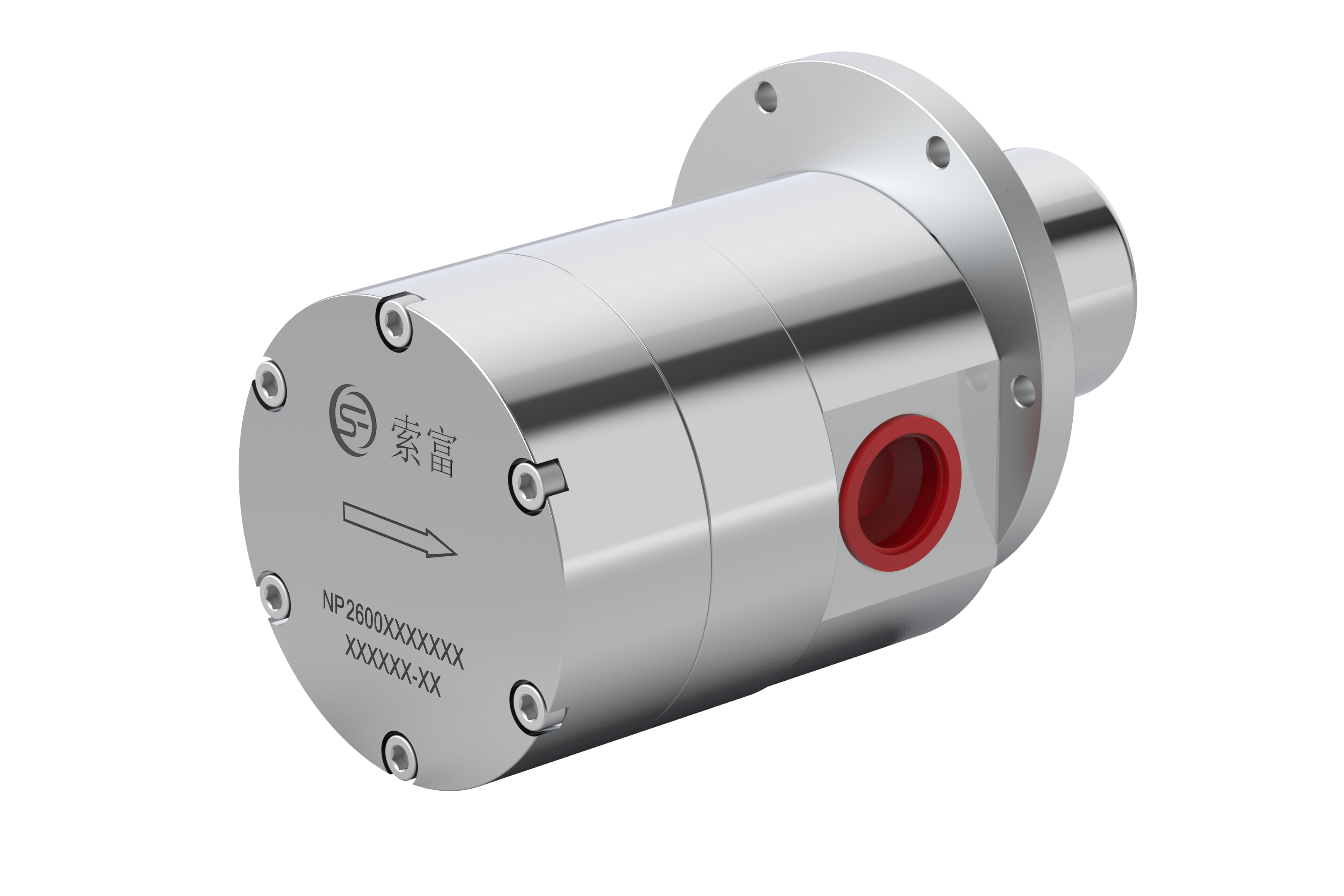
Gear pumps utilize the meshing of gears to displace fluid mechanically. As the gears rotate, they create a vacuum at the inlet, drawing fluid in, carrying it around the outside of the gears, and forcing it out the discharge side. While traditionally used for fluid transfer, high-precision gear pumps are excellent for specific metering applications.
Benefits include:
Pulse-Free Delivery: Unlike diaphragm or piston pumps, gear pumps provide a continuous, smooth flow of fluid without pulsation, which is vital for applications requiring steady chemical distribution.
High Viscosity Handling: They excel at metering thick, viscous liquids such as polymers, oils, syrups, and resins that would clog or stall other pump types.
High Differential Pressure: Gear pumps can reliably inject chemicals against high system pressures while maintaining a highly accurate, repeatable flow rate.
Diaphragm pumps are widely used in chemical dosing due to their ability to handle a variety of fluids, including corrosive chemicals. These pumps operate by using a flexible diaphragm that moves back and forth, creating a vacuum that draws fluid into the pump chamber and then pushes it out.
Benefits include:
Zero Leakage: The design isolates the process fluid, reducing the risk of contamination.
Versatility: They can handle a wide range of chemicals, including slurries and viscous liquids.
High Precision: Diaphragm pumps offer reliable dosing accuracy, making them ideal for applications where precise chemical delivery is essential.
Peristaltic pumps operate by squeezing a flexible tube to move the fluid forward. This design is particularly beneficial for handling shear-sensitive and viscous fluids.
Ideal applications include:

Delicate Chemicals: They are perfect for sensitive fluids that could be damaged by traditional pumping methods.
Off-Gassing Chemicals: These pumps can effectively manage chemicals that release gas, like sodium hypochlorite, without creating vapor lock.
Easy Maintenance: Since the fluid only comes into contact with the tubing, maintaining these pumps is straightforward.
Piston and plunger pumps are known for their ability to generate high pressures, making them suitable for demanding applications. These pumps use a piston or plunger mechanism to displace fluid, providing robust performance.
Key features include:
High Pressure: They can operate effectively in high-pressure environments, ideal for processes like boiler feed systems.
Durability: Built to withstand harsh conditions, these pumps are often used in industrial settings.
Variable Flow Rates: They can be adjusted to handle varying flow needs, providing flexibility in dosing applications.
Centrifugal pumps use a rotating impeller to move fluid, making them suitable for applications requiring large volumes of liquid. However, they are not typically used for precise chemical dosing.
Best used for:
High Flow Applications: They excel in scenarios where large amounts of fluid need to be moved quickly, such as water recirculation systems.
Less Viscous Fluids: Centrifugal pumps are most effective with low-viscosity liquids and may struggle with thicker substances.
In summary, the choice of metering pump largely depends on the specific requirements of the application, including the type of chemical being handled, required flow rates, and pressure conditions. Understanding the differences among diaphragm, peristaltic, piston and plunger, centrifugal, and gear pumps will help you select the right pump for your chemical dosing needs.
Tip: Always consider the chemical compatibility of the pump materials with the fluids you plan to use to avoid premature wear and ensure safety.

Choosing the right metering pump for chemical feed applications involves several critical factors. Each of these factors ensures that your pumping system operates efficiently, safely, and effectively. Here’s a closer look at the key considerations you need to keep in mind when selecting the best metering pump.
The first step in selecting a metering pump is understanding the chemical compatibility of the materials used in the pump. Different chemicals can react differently with various materials, leading to degradation, leaks, or contamination. For instance, corrosive chemicals like hydrochloric acid require pumps made from materials like PVC or Teflon, which can withstand their aggressive nature. Always consult compatibility charts from manufacturers to ensure that the pump materials align with the chemicals you plan to handle.
Next, you need to determine your flow rate requirements. This involves calculating how much fluid you need to move within a specific timeframe. Flow rates are typically measured in gallons per hour (GPH) or liters per hour (LPH).
Identify Maximum Flow Rate: Start by identifying the maximum flow rate required for your application.
Consider Average Flow Rate: Calculate the average flow rate you expect during normal operations.
Account for Peak Demand: Ensure your pump can handle peak demand without exceeding its capacity.
A pump that operates consistently at 70-80% of its maximum capacity is ideal for maintaining precision and efficiency.
Pressure is another critical factor in selecting a metering pump. Different applications require different pressure levels, and selecting a pump that can meet these demands is crucial.
Identify Required Pressure: Determine the discharge pressure needed for your application, taking into account the distance the fluid must travel and any elevation changes.
Pump Types and Pressure Ratings: Understand the pressure ratings of different pump types. For example, diaphragm pumps typically handle moderate pressures well, while piston pumps excel in high-pressure applications.
Finally, consider the maintenance and safety features of the metering pump. Regular maintenance is essential for ensuring long-term performance and reliability. Look for pumps that offer:
Easy Maintenance Access: Pumps designed for easy access to components allow for quicker inspections and repairs.
Built-in Safety Features: Safety features such as automatic shut-off valves, pressure relief valves, and leak detection systems can prevent accidents and ensure safe operation.
By focusing on these key areas—chemical compatibility, flow rate, pressure requirements, and maintenance features—you can confidently select the best metering pump for your specific chemical dosing applications. A well-chosen pump not only enhances operational efficiency but also contributes to a safer and more reliable system.
Tip: Always consult technical specifications and manufacturer recommendations to ensure optimal pump selection for your specific application needs.
Metering pumps are essential for precise chemical dosing across various industries. However, they can face several common issues that may hinder their performance. Understanding these challenges and their solutions can help ensure the longevity and efficiency of your metering pump systems.
Leaks can be a significant issue for metering pumps, especially when handling hazardous chemicals. A leak not only leads to chemical waste but can also pose serious safety risks. To prevent leaks, regularly inspect all connections, seals, and gaskets.
Routine Checks: Perform visual inspections to identify signs of wear or damage.
Quality Seals: Use high-quality seals and O-rings that are compatible with the chemicals being pumped.
Proper Installation: Ensure that the pump is installed correctly, following manufacturer guidelines to avoid misalignment.
Incorrect dosing can lead to serious operational issues, including regulatory non-compliance and product quality problems. This can occur due to several factors, such as pump wear, incorrect calibration, or improper setup.
Calibration: Regularly calibrate your metering pump to ensure accurate dosing. Use calibration columns to verify the flow rate.
Monitoring: Implement real-time monitoring systems to track dosing accuracy and detect deviations quickly.
Training: Ensure that staff is trained on the importance of proper setup and operation of the metering pumps.
Congestion and clogging can occur when particles or viscous fluids are pumped. This can lead to reduced efficiency and potential pump damage.
Filters: Install filters to remove particles from the fluid before it enters the pump.
Pump Selection: Choose a pump designed to handle the specific viscosity and particulate load of the chemicals being used.
Regular Maintenance: Schedule routine maintenance to clean and check for blockages in the pump and associated piping.
Regular maintenance is crucial to ensure the reliability and longevity of metering pumps. A well-maintained pump operates more efficiently and is less likely to experience failures.
Maintenance Schedule: Establish a maintenance schedule that includes checking seals, valves, and overall pump condition.
Documentation: Keep detailed records of maintenance activities to track any recurring issues.
Professional Servicing: Consider hiring professionals for complex maintenance tasks to avoid potential mistakes that could lead to further issues.
By proactively addressing these common issues, you can enhance the performance of your metering pumps and ensure consistent and accurate chemical dosing in your operations.
Tip: Regularly train your team on troubleshooting techniques to quickly address issues as they arise, minimizing downtime and maintaining operational efficiency.
When looking for metering pumps, finding reliable wholesale suppliers is essential. This ensures you get quality products at competitive prices. Here are some effective strategies to help you identify trusted sources for metering pumps.
The internet is a treasure trove of information and resources. Numerous websites specialize in industrial equipment, including metering pumps. You can explore:
Manufacturer Websites: Many manufacturers provide detailed product specifications, datasheets, and pricing information directly on their sites. Look for reputable brands known for their quality and reliability.
Industrial Supply Platforms: Websites like Grainger, ThomasNet, and Alibaba offer a wide range of metering pumps. They often have customer reviews, making it easier to gauge product quality.
Forums and Industry Groups: Online forums and social media groups focused on industrial equipment can provide recommendations and insights from other professionals. Engaging with these communities can lead you to trustworthy suppliers.
While online resources are convenient, local suppliers can offer personalized service and immediate support. Here’s how to evaluate them:
Visit Showrooms: If possible, visit local suppliers to see the pumps in person. This allows you to assess quality firsthand and ask questions about specific products.
Ask for Recommendations: Talk to colleagues or industry contacts who have experience with local suppliers. Their insights can help you identify reliable sources.
Check Certifications: Ensure that local distributors have the necessary certifications and adhere to industry standards. This can include ISO certifications or compliance with safety regulations.
When purchasing metering pumps, consider the warranty offered by suppliers. A strong warranty indicates confidence in the product's quality. Look for:
Warranty Length: Longer warranties often reflect better product durability. Some manufacturers offer warranties of up to five years.
Coverage Details: Understand what the warranty covers. Does it include parts and labor? Are there any exclusions?
Bulk Pricing Options: If you plan to purchase multiple pumps, inquire about bulk pricing. Many suppliers offer discounts for larger orders, which can significantly reduce costs.
Customer feedback is invaluable when evaluating suppliers. Here’s how to leverage reviews effectively:
Read Reviews: Check online reviews on platforms like Google, Yelp, or industry-specific sites. Look for patterns in feedback regarding product quality and customer service.
Ask for References: Don’t hesitate to ask suppliers for references from previous customers. Speaking directly with other buyers can provide insights into their experiences.
Engage with Past Customers: If possible, connect with previous customers through forums or social media. They can offer honest opinions about their purchasing experience.
By utilizing these strategies, you can find trusted wholesale suppliers for metering pumps. This not only helps you secure quality products but also ensures you receive the support needed for your chemical dosing applications.
Tip: Always compare multiple suppliers before making a decision to ensure you get the best quality and price for your metering pumps.
Operating metering pumps effectively requires attention to detail and adherence to best practices. These pumps play a critical role in ensuring precise chemical dosing across various industries. Below are key practices to optimize the performance and longevity of your metering pump systems.
The initial setup of your metering pump system is crucial for optimal performance. Follow these guidelines:
Location: Install pumps close to the chemical source to minimize suction lift and ensure consistent flow.
Alignment: Ensure proper alignment of the pump and motor to prevent excess wear and tear.
Support Structures: Use sturdy mounts or brackets to support the pump and reduce vibration, which can lead to premature failure.
Modern metering pumps often integrate with control systems like SCADA (Supervisory Control and Data Acquisition) or PLC (Programmable Logic Controller). Here’s how to ensure seamless integration:
Signal Compatibility: Use standard 4-20 mA signals for communication between the pump and control system. This allows for real-time adjustments based on flow rates or chemical concentrations.
Feedback Loops: Implement feedback loops to monitor performance. This helps in maintaining accuracy and adjusting dosing rates dynamically.
Regular calibration and testing are vital for maintaining dosing accuracy. Here are some steps to follow:
Calibration Schedule: Establish a routine calibration schedule based on the pump's usage and the chemicals being handled. Monthly calibrations may be necessary in high-demand applications.
Calibration Equipment: Use precise calibration columns to measure the actual flow rate against the set flow rate. This helps identify any discrepancies that need to be addressed.
Documentation: Keep detailed records of calibration results for future reference and regulatory compliance.
Continuous monitoring of pump performance is essential for identifying issues early and making necessary adjustments. Consider these practices:
Flow Rate Monitoring: Use flow meters to track the actual flow rate. This enables quick identification of any deviations from expected performance.
Pressure Monitoring: Install pressure gauges to ensure the pump operates within its specified pressure range. Abnormal pressure readings can indicate blockages or leaks.
Regular Inspections: Conduct routine inspections to check for wear and tear, leaks, or other signs of malfunction. Early detection can prevent costly downtime and repairs.
By implementing these best practices, you can ensure that your metering pumps operate efficiently and reliably. This not only enhances the accuracy of chemical dosing but also extends the lifespan of your pump systems.
Tip: Always train your staff on the proper operation and maintenance of metering pumps to maximize efficiency and safety in your chemical dosing processes.
The future of metering pumps looks promising with emerging technologies enhancing efficiency and precision. Trends show a growing demand for reliable chemical dosing applications across various industries. When selecting and using metering pumps, consider factors like chemical compatibility, flow rates, and maintenance features. Suofu offers high-quality metering pumps designed for diverse chemical applications, ensuring safety and reliability. Their products provide exceptional value, making them an ideal choice for your chemical dosing needs.
A: A metering pump is a precision pump designed to deliver a specific volume of fluid at a consistent flow rate, commonly used in chemical dosing applications.
A: To select the right metering pump, consider factors like chemical compatibility, required flow rates, pressure needs, and maintenance features.
A: Calibration ensures that the metering pump delivers the correct dosage, maintaining accuracy and compliance with operational standards.
A: Metering pumps provide precise dosing, minimize waste, and enhance operational efficiency in chemical feed applications.
A: Common issues include leaks, incorrect dosing, and clogging, which can be addressed through regular maintenance and monitoring.


