
Views: 0 Author: Site Editor Publish Time: 2026-09-11 Origin: Site


Leaks in pumps cause costly damage and safety risks. What if pumps had no seals to fail?
Sealless magnetic drive gear pumps solve this by eliminating shaft seals, ensuring leak-free fluid handling.
In this post, you’ll learn what these pumps are, why seal-less technology matters, and which industries benefit most.
Table of Contents
A sealless magnetic drive gear pump consists of several key parts working together to move fluid without leaks. The main components include:
Drive magnet assembly: Attached to the motor shaft outside the pump housing.
Containment canister (hermetic barrier): A sealed, non-magnetic barrier that separates the drive magnet from the driven magnet and prevents fluid escape.
Driven magnet assembly: Located inside the pump housing, coupled magnetically to the drive magnet.
Gear set: Two interlocking gears inside the pump chamber that rotate to move fluid.
Pump housing: Encloses the gears and fluid, made from materials compatible with the pumped media.
Bearings: Support the rotating shaft and gears, lubricated by the pumped fluid.
This design eliminates the need for a mechanical shaft seal, which is usually the most common leakage point in traditional gear pumps.

Traditional gear pumps use a direct mechanical connection between the motor shaft and the gears. This connection requires a shaft seal to prevent fluid from leaking out around the rotating shaft. These seals wear over time, risking leaks and contamination.
Sealless magnetic drive gear pumps avoid this problem by replacing the mechanical shaft seal with a magnetic coupling. Torque transfers through the containment canister without any physical penetration of the pump housing. This means:
No shaft seal to wear or leak.
Reduced maintenance due to fewer moving parts exposed to fluid.
Safer handling of hazardous, corrosive, or volatile fluids.
Enhanced reliability and longer service life.
The heart of the sealless design is the magnetic coupling. It works like this:
The motor turns the drive magnet outside the sealed containment canister.
The magnetic field passes through the canister and causes the driven magnet inside the pump housing to rotate in sync.
The driven magnet connects to the pump shaft, turning the gears inside.
This indirect drive means no physical shaft passes through the fluid barrier, preventing leaks.
The containment canister acts as a hermetic seal, fully isolating the fluid from the atmosphere and motor components. This setup allows the pump to handle aggressive chemicals, toxic liquids, or sensitive fluids without risk of leakage or contamination.
The magnetic coupling also absorbs some misalignment and vibration, reducing wear on bearings and improving operational smoothness.
Note: Selecting the right containment canister material is crucial to ensure chemical compatibility and long-term durability in sealless magnetic drive gear pumps.
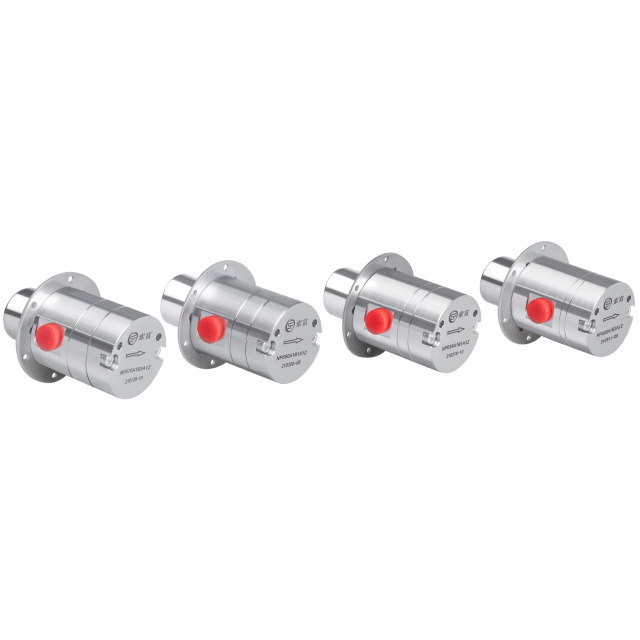
Sealless magnetic drive gear pumps use a magnetic coupling to transfer torque from the motor to the pump gears without any physical shaft penetration. The motor turns the drive magnet located outside the sealed pump housing. This magnet creates a magnetic field that passes through the hermetic containment canister, causing the driven magnet inside the pump to rotate in sync. The driven magnet is attached to the pump shaft, which turns the interlocking gears inside the pump chamber. This indirect drive system eliminates the need for a mechanical shaft seal, preventing fluid leaks.
The hermetic canister is a sealed, non-magnetic barrier between the drive and driven magnets. It isolates the pumped fluid from the atmosphere and motor components. This containment prevents any fluid from escaping and keeps contaminants out. The canister must be made from materials compatible with the fluid to ensure durability and chemical resistance. It also protects the magnetic coupling from corrosion or damage.
Inside the pump housing, two gears mesh tightly. As the driven magnet turns the pump shaft, the gears rotate, trapping fluid between their teeth and the housing. The fluid is carried from the inlet side to the outlet side, creating flow and pressure. The tight gear mesh ensures smooth, continuous fluid movement with minimal pulsation. This positive displacement action makes the pump ideal for precise dosing or transferring viscous fluids.
The pumped fluid plays a critical role beyond just being moved. It lubricates the sliding and thrust bearings supporting the rotating shaft and gears. It also cools the bearings and the containment canister by flowing through internal circulation paths. This cooling prevents overheating and wear. Because of this, sealless magnetic drive gear pumps cannot run dry. Dry running causes rapid bearing damage due to lack of lubrication and heat dissipation, risking pump failure.
Tip: Always ensure the pumped fluid provides adequate lubrication and cooling to avoid dry running and extend pump life.
One of the biggest advantages of sealless magnetic drive gear pumps is their seal-less design. Traditional gear pumps use mechanical seals around the shaft to keep fluid in. These seals wear out over time, causing leaks. Sealless pumps remove this problem by using a magnetic coupling to transfer power without any shaft penetrating the fluid chamber. This means no mechanical seals, no wear-prone parts, and no risk of fluid leaking out. This is especially important when handling hazardous, toxic, or corrosive fluids where leaks can be dangerous and costly.
Because there are no dynamic seals, these pumps operate completely leak-free. The containment canister forms a hermetic barrier, fully isolating the pumped fluid from the environment. This prevents any contamination entering the fluid and keeps the workplace safe. Industries like pharmaceuticals and food processing benefit greatly from this, as even tiny leaks or contamination can ruin products or cause health risks. The magnetic drive also reduces the chance of vapor or gas leaks, supporting environmental compliance and worker safety.
Sealless magnetic drive gear pumps are more efficient and reliable than traditional pumps. Without mechanical seals, there is less friction and wear, meaning fewer breakdowns and longer service life. The magnetic coupling smoothly transmits torque, absorbing minor misalignments and vibrations, which protects internal components. Also, the fluid itself lubricates and cools the bearings, reducing heat and wear. This leads to stable operation, less downtime, and lower maintenance costs over time.
These pumps excel at handling aggressive fluids like acids, solvents, and other corrosive chemicals. The containment canister and pump housing can be made from materials resistant to chemical attack, ensuring durability. Since there is no seal to degrade or leak, they can safely transfer hazardous fluids without risk of exposure or damage. This versatility makes them a top choice in chemical processing, pharmaceutical manufacturing, and other industries requiring safe, reliable fluid handling.
Sealless magnetic drive gear pumps tend to be compact and quiet. The elimination of mechanical seals reduces the number of parts, allowing for a smaller footprint. Their quiet operation suits noise-sensitive environments such as laboratories or food production plants. The compact design also makes installation easier, especially where space is limited. This combination of size and quietness adds to their appeal for many industrial applications.
Tip: When choosing a sealless magnetic drive gear pump, consider the chemical compatibility of the containment canister material to ensure long-term leak-free operation and resistance to corrosion.
Sealless magnetic drive gear pumps are popular across many industries because they prevent leaks and handle tough fluids safely. Their unique design suits environments where fluid containment is critical, and contamination or spills must be avoided.
In chemical plants, these pumps move acids, solvents, and corrosive liquids safely. The sealless design eliminates leaks, which is vital when handling hazardous chemicals. It protects workers and the environment from exposure to toxic substances. These pumps also resist corrosion thanks to materials chosen for compatibility with aggressive fluids. They support processes like chemical dosing, solvent recovery, and acid transfer.
Pharmaceutical and food sectors demand high purity and hygiene. Sealless magnetic drive gear pumps prevent contamination by fully sealing the fluid inside. They handle ingredients such as syrups, oils, and sensitive chemicals without risking leaks or exposure. This helps maintain product quality and complies with strict regulatory standards. Their quiet operation and compact size also fit well in cleanroom environments.
Automotive manufacturing relies on these pumps for fuel transfer, lubrication, and cooling fluids. They provide precise fluid control and leak-free performance, reducing maintenance needs. Their ability to handle oils, fuels, and coolants safely makes them ideal for assembly lines and testing equipment. The sealless design also helps avoid hazards related to flammable or toxic fluids.
In labs, precise fluid handling is crucial. These pumps deliver accurate flow rates for dosing chemicals or reagents in analytical instruments. Their seal-less design ensures no sample contamination or fluid loss. They are compact and quiet, fitting into tight spaces without disturbing sensitive measurements. This makes them a top choice for research, quality control, and medical testing.
Marine vessels and energy plants use sealless magnetic drive gear pumps to handle fuels like ammonia, methanol, or biofuels safely. Their leak-free design prevents environmental contamination and supports strict safety regulations at sea or in power plants. They also circulate coolants and lubricants in engines and turbines. Their robust construction withstands harsh conditions like saltwater exposure and vibration.
Tip: When selecting a sealless magnetic drive gear pump, always match the pump materials to the fluid’s chemical properties to ensure long-lasting, leak-free operation in your specific application.
Sealless magnetic drive gear pumps differ significantly from mechanical seal gear pumps. Mechanical seal pumps rely on a physical seal around the shaft to prevent fluid leaks. Over time, these seals wear out, causing leaks and requiring frequent maintenance. In contrast, sealless magnetic drive gear pumps eliminate the shaft seal altogether by using a magnetic coupling to transfer torque. This design removes the common leakage point, enhancing safety and reducing maintenance needs.
Mechanical seal gear pumps often face challenges when handling hazardous or corrosive fluids because seal failure risks fluid leaks that can harm personnel or the environment. Sealless pumps provide a safer alternative by fully containing the fluid inside the pump housing. Additionally, magnetic coupling absorbs misalignment and vibration better, protecting bearings and extending pump life.
Canned motor pumps also offer sealless operation but differ in construction and operation. They integrate the motor rotor and pump impeller inside a hermetically sealed can, powered by an electromagnetic field generated by the stator outside the can. This design eliminates shaft seals but requires a specialized motor and canister.
Sealless magnetic drive gear pumps use permanent magnets for torque transfer, allowing more flexible motor choices and often easier maintenance. Magnetic drive pumps typically have a single containment barrier, while canned motor pumps have double containment, offering extra protection in critical applications. However, canned motor pumps tend to be more compact due to their integrated design.
Sealless magnetic drive gear pumps generally reduce operational costs by minimizing leak-related downtime and maintenance. Without mechanical seals to replace or adjust, maintenance intervals extend, and labor costs drop. The magnetic coupling reduces wear on bearings and shafts, lowering parts replacement frequency.
However, initial costs for sealless pumps can be higher due to specialized components like the containment canister and magnets. Still, many users find the lifecycle savings in maintenance and downtime justify the investment.
Canned motor pumps may have higher upfront costs and more complex repairs due to integrated motor and pump parts. Mechanical seal pumps often have lower initial prices but higher ongoing costs from seal replacements and leak mitigation.
Safety improves significantly with sealless magnetic drive gear pumps because they eliminate leakage points common in mechanical seal pumps. This containment prevents hazardous fluid exposure to workers and the environment, reducing accident risks and regulatory compliance burdens.
Compared to canned motor pumps, magnetic drive pumps provide robust containment but may lack the double barrier protection found in some canned designs. Still, both sealless pump types dramatically reduce emissions and spills compared to traditional sealed pumps.
Environmentally, sealless pumps help prevent fluid loss and contamination. This is critical in chemical processing, pharmaceuticals, and fuel handling, where leaks can cause costly cleanup and damage ecosystems.
Tip: When choosing between sealless pump types, evaluate your fluid’s hazard level, maintenance capabilities, and space constraints to select the safest, most cost-effective option for your application.
Choosing the right sealless magnetic drive gear pump is crucial for safe, efficient, and reliable operation. Several factors must be carefully evaluated to ensure the pump fits your specific application and fluid handling needs.
The pumped liquid’s chemical properties largely determine the materials used in the pump’s wetted parts, including the containment canister, gears, and housing. Materials must resist corrosion, erosion, and chemical attack to maintain integrity over time. Common materials include stainless steel, Hastelloy, and specialty alloys, often paired with compatible elastomers for seals and O-rings.
Always verify how the fluid interacts with potential materials. For example, strong acids require highly resistant alloys, while solvents may demand fluoropolymer coatings. Choosing incompatible materials risks premature failure or leaks.
Define the pump’s required flow rate and pressure to match your process demands. Sealless magnetic drive gear pumps handle a range of flows but must be sized correctly to avoid overloading the magnetic coupling or bearings.
Operating temperature also influences pump selection. High temperatures can affect material strength and magnetic coupling efficiency. Ensure the pump’s design and materials tolerate your process temperature range without degradation.
Viscosity and fluid density impact torque requirements and pump efficiency. Higher viscosity fluids increase load on the magnetic coupling, potentially causing slip or overheating if not accounted for.
Net Positive Suction Head available (NPSHa) versus required (NPSHr) is critical. Insufficient NPSHa causes cavitation, damaging gears and reducing performance. Select pumps designed for your system’s NPSH conditions, maintaining operation near the best efficiency point.
Sealless magnetic drive gear pumps rely on the pumped fluid for lubrication and cooling. Running dry can cause rapid bearing failure and overheating. Incorporate dry-run protection devices or sensors to shut down the pump if fluid flow stops.
Continuous system monitoring for temperature, vibration, and magnetic coupling status helps detect early signs of trouble. This proactive approach extends pump life and prevents costly downtime.
Evaluate the physical space available for pump installation. Sealless magnetic drive gear pumps are compact but still require clearance for maintenance and inspection.
Ensure easy access to components like the containment canister, bearings, and magnets. Proper installation layout reduces service time and improves safety during maintenance.
Tip: Always match pump materials and design to your fluid’s chemical and physical properties to ensure safe, leak-free operation and long-term reliability.
Sealless magnetic drive gear pumps stand out for their reduced maintenance needs. Without mechanical seals, one of the most common failure points in traditional pumps disappears. This design cuts down seal replacements, leak repairs, and associated downtime. The fewer moving parts exposed to the fluid also mean less wear and tear, extending the pump’s service intervals.
The absence of shaft seals eliminates the need for frequent seal inspections and replacements. Bearings and gears still require attention, but the magnetic coupling absorbs misalignments and vibrations, reducing stress on these components. Since the pumped fluid lubricates and cools the bearings, regular checks ensure the fluid remains clean and the pump is not running dry, which could cause damage.
Routine maintenance usually involves:
Checking for unusual noises or vibrations indicating bearing wear or magnetic coupling issues.
Inspecting the containment canister for corrosion or damage.
Monitoring temperature and pressure to detect abnormal operating conditions.
Verifying the magnetic coupling alignment and strength to prevent slip.
Ensuring proper lubrication by the pumped fluid and avoiding dry running.
Troubleshooting often focuses on addressing bearing wear, magnetic decoupling, or blockage in fluid paths. Early detection through vibration sensors or temperature monitoring helps prevent major failures.
Many manufacturers provide worldwide service networks, offering quick access to spare parts, repairs, and technical support. Authorized service centers can perform containment canister replacements, magnet assembly servicing, and bearing changes. This support ensures minimal downtime and extends pump life. Having a reliable service partner is key for critical applications where pump failure can halt production or cause safety hazards.
Long-term reliability depends on proper installation, operation within design limits, and scheduled maintenance. Using compatible materials for the containment canister and wetted parts prevents corrosion. Monitoring systems can alert operators to early signs of wear or operational issues. Training maintenance staff on the unique aspects of sealless magnetic drive gear pumps ensures correct handling and servicing.
Tip: Establish a routine monitoring program including vibration, temperature, and magnetic coupling checks to catch early wear signs and avoid costly downtime in sealless magnetic drive gear pumps.
Sealless magnetic drive gear pumps offer leak-free, efficient fluid handling ideal for hazardous and sensitive applications. Their seal-less design enhances safety and reduces maintenance needs. Choosing the right pump ensures reliable operation and protects against chemical damage. Innovations continue to improve magnetic coupling and materials for broader industrial use. Suofu – Micro Magnetic Gear Pump Manufacturer provides advanced sealless magnetic drive pumps that deliver durability, precision, and safety, making them a trusted choice for demanding fluid transfer needs.
A: A sealless magnetic drive gear pump uses a magnetic coupling to transfer torque without a mechanical shaft seal, preventing leaks and contamination.
A: It uses a drive magnet outside the pump housing to magnetically rotate a driven magnet inside, turning gears that move fluid without shaft penetration.
A: It eliminates shaft seals, reducing leaks, maintenance, and improving safety when handling hazardous fluids.
A: Problems include bearing wear, magnetic coupling slip, and dry running, which can be prevented by proper monitoring and lubrication.
A: While initial costs may be higher, they save money long-term by reducing maintenance and downtime due to seal failures.


