
Views: 0 Author: Site Editor Publish Time: 2026-03-16 Origin: Site


Ever wondered how small pumps control complex systems? Micro Pump technology drives mini hydraulics and industrial fluid applications. In this article, you will learn how Micro Pumps deliver precision, efficiency, and reliability across various processes.
A micro pump is a compact device designed to move small volumes of fluid with precision and control. It operates on principles such as gear rotation, diaphragm movement, or magnetic actuation, allowing it to deliver consistent flow even in tight spaces.
These pumps are essential in mini hydraulic circuits, laboratory equipment, and industrial fluid systems because they provide steady, controlled fluid transfer that larger pumps cannot achieve efficiently. They often handle fluids ranging from low-viscosity liquids to slightly thicker chemical solutions, depending on their design. By maintaining accuracy and minimizing pulsation, micro pumps help machines perform reliably and safely in demanding environments.
Common types of micro pumps:
● Gear Micro Pumps: Use interlocking gears to move fluid; offer high precision and repeatable flow rates.
● Diaphragm Micro Pumps: Utilize a flexible membrane and check valves for pulseless flow, ideal for delicate dosing tasks.
● Peristaltic Micro Pumps: Fluid is transported through a tube via rollers; excellent for contamination-free applications.
● Magnetic Micro Pumps: Rely on magnetic drives to eliminate seals, reducing leak risks and maintenance.
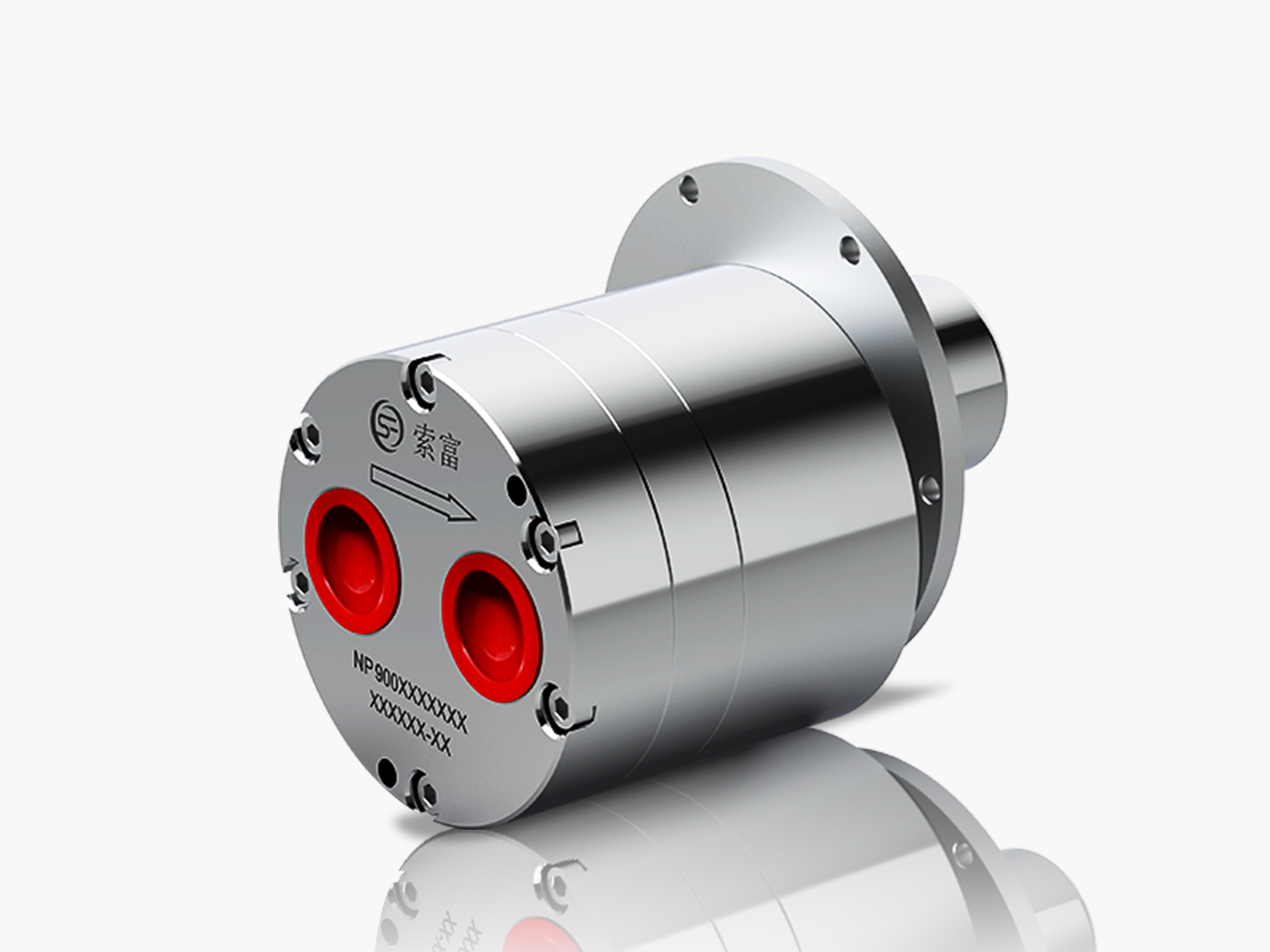
Micro pumps combine small form factor with sophisticated engineering. They typically include a magnetic drive or motor, precision gears, and high-quality seals, which together ensure leak-free operation and durable performance.
Flow rates are carefully controlled, often adjustable via speed or displacement settings, allowing fine-tuning in mini hydraulic systems. Pressure tolerance varies by model, but many micro pumps manage medium-pressure conditions while maintaining accuracy. They are also compatible with a variety of fluids, including water, oil, and certain chemical solutions, making them versatile across industrial applications.
Component | Function | Benefit |
Magnetic Drive | Transfers torque without physical contact | Eliminates seal leaks, reduces wear |
Precision Gears | Moves fluid steadily | Ensures repeatable and consistent flow |
High-Quality Seals | Prevents backflow and contamination | Maintains system reliability |
Housing Materials | Corrosion-resistant metals or polymers | Extends operational lifespan |
Micro pumps are compact yet robust. They provide stable fluid delivery, minimal vibration, and quiet operation. They integrate easily into mini hydraulic circuits, often requiring less space than traditional pumps.
We can see them applied in automated machinery, medical devices, and electronics cooling, where both precision and reliability are critical. Their small footprint does not compromise performance; instead, it allows engineers to design denser, more efficient systems that maintain consistent output.
Micro pumps play a crucial role in mini hydraulic systems. They ensure smooth actuation of cylinders and precise movement of hydraulic actuators. These pumps deliver steady, controlled pressure, which is essential for tasks that demand high accuracy. Even under fluctuating loads, they maintain consistent flow, helping machines operate reliably. Their compact footprint allows integration into space-constrained systems like robotic arms or automated laboratory equipment.
The pulsation-free output of micro pumps is particularly valuable. It reduces mechanical stress on valves and actuators, which minimizes wear over time. Engineers rely on this characteristic to maintain long-term system performance. In addition, the precise control of pressure and flow supports delicate applications such as dosing or fine-positioning operations.
Key benefits for actuation:
● Stable pressure control reduces vibration and mechanical shocks, enhancing system longevity.
● Consistent flow ensures precise positioning of hydraulic elements, improving operational accuracy.
● Small size allows placement in tight spaces without compromising performance.
Designing mini hydraulic circuits requires careful selection of components, and micro pumps are ideal for integration. Their modular design allows them to fit different circuit layouts, whether in parallel or series configurations. Engineers can optimize flow distribution and pressure balancing, which is critical when multiple actuators operate simultaneously.
Micro pumps also interface seamlessly with sensors or feedback controllers. This capability enables automated adjustments, maintaining precision without manual intervention. Their low-noise operation and energy efficiency make them suitable for sensitive environments, such as laboratories or precision machinery workshops.
Feature | Benefit | Application Example |
Modular design | Easy integration into complex circuits | Multi-actuator hydraulic systems |
Sensor compatibility | Enables automated flow control | Precision laboratory equipment |
Pulsation-free output | Reduces wear and vibration | Micro-robotics and CNC actuators |
Compact size | Fits tight spaces | Portable or embedded hydraulic systems |
The combination of these features allows micro pumps to enhance system reliability while keeping designs compact and efficient. They are particularly useful in portable hydraulic devices, automated small-scale machinery, and laboratory automation setups.
Micro pumps find extensive application in industries that require precision, reliability, and miniaturization. In robotics, they control joint actuation with exact flow rates. Laboratory automation uses micro pumps for accurate liquid handling, including sample transfer and reagent dosing. In precision machinery, such as mini CNC machines or automated assembly lines, micro pumps maintain uniform pressure across circuits.
Companies like Suofu offer NP series micro magnetic gear pumps specifically designed for these high-demand applications. They provide leak-free operation, chemical compatibility, and long service life, ensuring uninterrupted performance in challenging industrial environments.
Illustrative use cases:
● Robotics: Actuators in collaborative robots for smooth, precise motion.
● Laboratory Automation: Reagent dosing and sample transfer with high repeatability.
● Precision Machinery: Pressure stabilization in mini hydraulic circuits, reducing downtime.
Industry Sector | Micro Pump Role | Key Advantage |
Robotics | Actuation control | Compact, precise, reliable |
Laboratory Automation | Fluid dosing and transfer | High repeatability and chemical safety |
Precision Machinery | Pressure stabilization | Reduces maintenance, improves uptime |
Micro pumps are widely used in dosing and metering applications because they deliver precise and repeatable micro-flow, essential for industrial processes and laboratory operations. They handle chemicals, lubricants, and additives with accuracy, ensuring processes remain consistent and safe. These pumps also allow dynamic flow adjustments, enabling multi-step dosing and automated operations in compact spaces.
Benefits and highlights:
● Accuracy: Maintains consistent micro-volume delivery for sensitive processes.
● Compact Integration: Fits into automated systems without taking up much space.
● Reliability: Reduces downtime and maintenance requirements.
● Versatility: Suitable for chemicals, lubricants, and specialty additives.
Application Type | Micro Pump Role | Key Benefits |
Chemical Dosing | Delivers precise micro-volumes | Accurate, repeatable, minimizes waste |
Lubricant Injection | Supplies machinery steadily | Improves efficiency, reduces downtime |
Additive Handling | Adds precise chemicals or reagents | Uniform mixing, reliable process control |
In cooling and circulation, micro pumps ensure stable fluid movement for electronics, medical devices, and semiconductor equipment. Their quiet, low-vibration operation prevents disruption of sensitive systems while maintaining reliable thermal management. These pumps circulate fluids efficiently through compact heat exchangers or cooling loops, ensuring even temperature distribution and protecting delicate components.
Key advantages:
● Smooth Flow: Reduces hotspots and thermal stress.
● Energy Efficiency: Uses minimal power for continuous circulation.
● Adaptable Design: Compatible with various coolant types and compact loops.
● Durable Performance: Supports long-term, continuous operation.
Micro pumps are essential in sampling and analytical instruments, where exact micro-volume delivery is crucial. They enable precise fluid transfer for laboratory testing, quality control, and analytical workflows. By reducing manual handling, these pumps minimize human error and maintain consistent results across experiments or production batches.
Applications and benefits:
● Laboratory Sampling: Accurate transfer of liquids for experiments.
● Quality Control: Supports precise reagent dosing and sample consistency.
● Analytical Instruments: Maintains stable flow for chromatography or medical analysis.
● Automation Ready: Easily integrates into robotic or automated laboratory systems.
Takeaways: Micro pumps combine precision, compact design, and reliability, making them indispensable in industrial fluid systems that require exact flow control, minimal maintenance, and versatile integration.
Selecting the right micro pump is critical for achieving precise flow control and reliable operation in mini hydraulic and industrial fluid systems. We need to evaluate flow rate, pressure capacity, and fluid compatibility carefully. Some processes require high-pressure delivery, while others prioritize low flow but precise dosing. Micro pumps also vary in how they handle different fluid types, from water to oils or chemical solutions, making compatibility a key factor.
Temperature and viscosity are equally important. Micro pumps must maintain consistent performance across a range of temperatures, whether the fluid is hot, cold, or subject to thermal fluctuations. Fluids with high viscosity demand pumps that can overcome resistance while still providing smooth, pulseless flow. Evaluating these factors ensures the pump matches system requirements and prevents early wear or failure.
Checklist for choosing a micro pump:
● Required flow rate and pressure range.
● Fluid type and chemical compatibility.
● Operating temperature range.
● Fluid viscosity and density.
● Space constraints and integration needs.
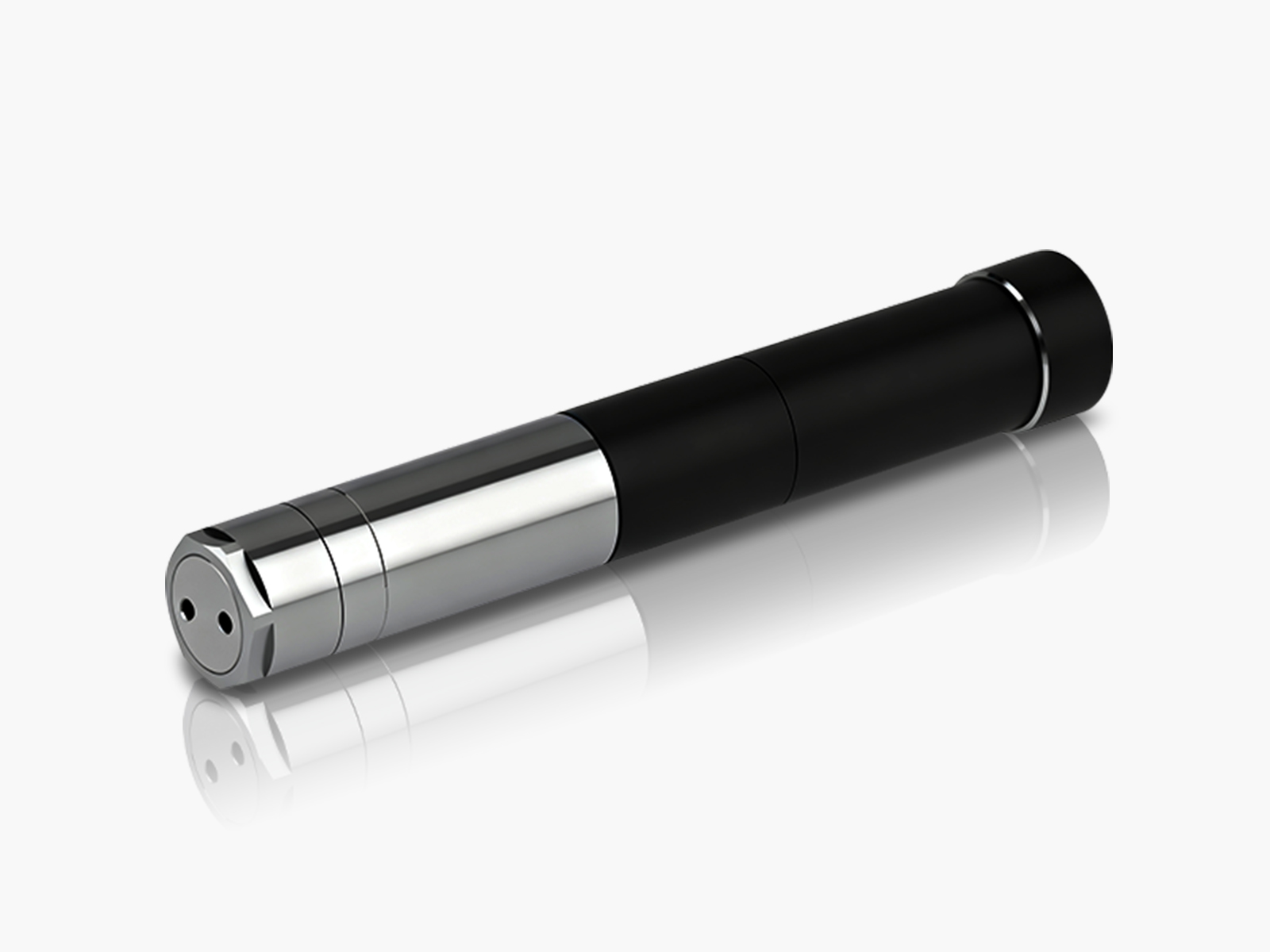
Micro pump materials greatly influence reliability and lifespan. We often recommend wear-resistant gears, chemical-resistant components, and magnetic drive systems, especially for industrial applications where fluids may be corrosive. Magnetic drive eliminates shaft seals, reducing the risk of leaks and minimizing maintenance.
Longevity is another critical factor. Pumps designed with durable alloys or high-performance polymers can withstand continuous operation for thousands of hours. They also resist wear and tear from abrasive fluids, which reduces the frequency of replacements and lowers total operational costs. Choosing the right material ensures long-term performance even under demanding industrial conditions.
Material Component | Function | Benefit |
Wear-resistant gears | Transfers fluid reliably | Reduces wear and maintains flow |
Chemical-resistant housing | Protects internal components | Extends pump lifespan in harsh fluids |
Magnetic drive | Eliminates dynamic shaft seals | Leak-free, low maintenance operation |
Many micro pump applications demand tailored solutions. OEM and ODM options allow pumps to be configured for specific flow rates, pressures, and system layouts. Integration with sensors, controllers, or automated feedback loops further enhances precision and reliability.
Custom solutions may include adjustments to pump size, inlet/outlet connections, or motor compatibility to fit a specific mini hydraulic or industrial system. Advanced configurations can support multiple pumps running synchronously or integrating directly into automated processes. This flexibility ensures micro pumps adapt seamlessly to complex systems without sacrificing performance.
Customization highlights:
● Flow and pressure optimization for specific applications.
● Integration with electronic control and feedback systems.
● Adjustable pump dimensions for space-limited installations.
● Compatibility with different fluid types and viscosities.
Micro Pump applications enhance precision and reliability in mini hydraulic and industrial fluid systems. Super Fluid’s products provide compact, leak-free operation, versatile fluid compatibility, and long service life, delivering measurable value for automated and high-precision processes.
A: A Micro Pump is used for precise fluid delivery in mini hydraulic and industrial systems, ensuring consistent flow and accurate operation.
A: It provides repeatable, controlled micro-flow, which improves efficiency and maintains consistent chemical or lubricant distribution.
A: Micro Pumps maintain stable fluid movement with low vibration, ensuring reliable cooling for electronics and medical devices.
A: Yes, they offer OEM/ODM options and integration with control systems for tailored mini hydraulic or industrial applications.
A: Micro Pumps feature wear-resistant materials and magnetic drive benefits, providing long service life and reduced maintenance needs.


