
Views: 0 Author: Site Editor Publish Time: 2026-07-06 Origin: Site


Have you ever wondered how industries achieve consistent, repeatable chemical dosing in demanding applications? Metering pumps play a crucial role in delivering accurate amounts of chemicals. In this article, we’ll explore how to size a chemical metering pump effectively. You’ll learn about flow rates, material selection, and factors influencing pump performance.
Table of Contents
The first step in sizing a chemical metering pump is determining the required flow rate. This flow rate is the volume of chemical that needs to be delivered over a specific time frame. It is crucial to accurately assess the flow requirements based on the application’s needs. For example, if a chemical is being injected into a treatment process, the flow rate must match the system's demand to ensure effective treatment.
To determine the flow rate, consider the following factors:
Chemical Consumption: Assess how much chemical is used daily or hourly.
Injection Frequency: Understand how often the chemical needs to be injected.
Process Requirements: Evaluate the specific needs of the application, including any variations in demand.
Oversizing a metering pump can lead to several issues. If the pump's capacity exceeds the required flow rate, it may operate inefficiently, leading to:
Increased Energy Costs: An oversized pump consumes more power than necessary.
Reduced Accuracy: Oversized pumps may struggle to maintain precise flow rates, resulting in over- or under-dosing.
Shortened Lifespan: Operating continuously at a lower capacity can lead to increased wear and tear, reducing the pump's lifespan.
To avoid these problems, it’s essential to size the pump correctly. The pump should be sized so that the maximum expected flow requirement falls within 85 to 90 percent of the pump's rated capacity. This provides a 10–15% margin for process fluctuations without compromising accuracy or efficiency.
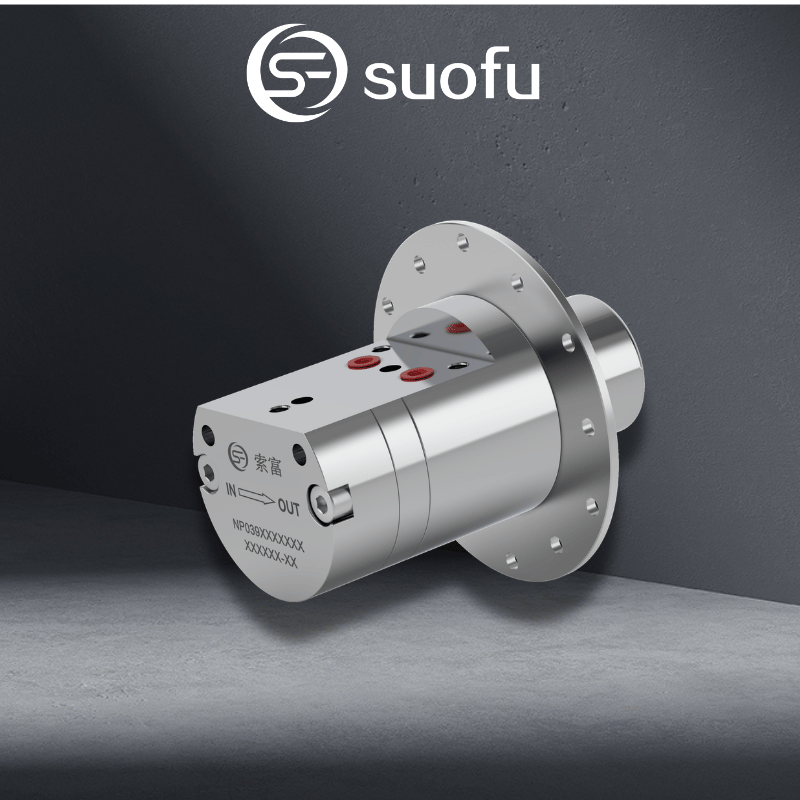
Calculating the flow rate accurately involves a few best practices:
Conduct a Flow Analysis: Analyze the system to determine the total volume of chemicals needed over time.
Account for System Losses: Consider back pressure and other factors that may affect the flow, such as pipe diameter and length.
Use Flow Meters: Installing flow meters can provide real-time data on the actual flow rates, helping to fine-tune your pump selection.
Consult Manufacturer Specifications: Review technical documentation from pump manufacturers to understand the flow capabilities and limitations of different models.
By following these practices, you can ensure that the selected metering pump meets the flow requirements of your application effectively.
Tip: Always consult with pump manufacturers or industry experts when determining the required flow rate to ensure optimal pump performance and longevity.

When selecting a metering pump, the materials of construction play a vital role in its performance and longevity. Metering pumps are typically made from a variety of materials, including:
Stainless Steel: Commonly used for its strength and corrosion resistance, especially 316 and C-20 stainless steel.
Plastics: Materials like PVC and Kynar® PVDF are suitable for less aggressive chemicals.
Special Alloys: For highly corrosive or abrasive chemicals, specialized alloys may be necessary.
Each material has its unique properties, making it crucial to choose one that aligns with the chemical being pumped. For example, while plastics might be suitable for certain acids, they may dissolve or degrade when in contact with solvents.
Corrosion resistance is a key factor in selecting the right materials for metering pumps. Chemicals can vary significantly in their corrosive properties, and using the wrong material can lead to pump failure. Here are some considerations:
Chemical Properties: Understand the chemical's pH, concentration, and temperature. For instance, strong acids and caustics typically require stainless steel or specialized coatings.
Erosion: If the chemical is abrasive, such as slurries or particulates, the material must be resilient to wear. This may involve selecting harder materials or those with protective linings.
Testing: Always conduct compatibility tests with the specific chemical to ensure that the chosen material will hold up over time.
The longevity of a metering pump is heavily influenced by the materials selected. Poor material choices can lead to frequent breakdowns and costly repairs. Here are some impacts of material choices:
Wear and Tear: Pumps made from less durable materials may wear out quickly, especially in high-stress applications.
Maintenance Costs: Using incompatible materials can lead to leaks and failures, increasing maintenance and replacement costs.
Downtime: Frequent failures can result in operational downtime, affecting overall productivity.
To ensure optimal performance and longevity, it’s essential to match the pump materials with the specific requirements of the chemical being handled.
Tip: Always consult with pump manufacturers or materials specialists to ensure that the selected materials are compatible with the chemicals being pumped and suitable for the intended application.
For hazardous, toxic, or high-purity chemicals, the sealing method is as important as the material selection.
Mechanical seal pumps use a sliding seal between the rotating shaft and the pump housing. They are cost-effective but require regular maintenance and are susceptible to leakage over time.
Magnetic drive pumps eliminate the shaft seal entirely. The motor drives the pump through a magnetic coupling, creating a completely sealed fluid path. This design ensures zero leakage, reduces maintenance, and is the preferred choice for handling corrosive, volatile, or high-value chemicals.
For chemical metering applications involving acids, caustics, solvents, or any fluid where leakage poses safety or environmental risks, magnetic drive metering pumps offer a superior long-term solution.
Viscosity is a crucial factor when selecting a chemical metering pump. It measures a fluid's resistance to flow; higher viscosity means thicker fluids. For diaphragm or piston metering pumps, typical viscosity limits range up to about 1,500 cP. For gear metering pumps, however, viscosity limits are significantly higher — many designs can handle up to 100,000 cP or more, making them suitable for viscous fluids like oils, polymers, and syrups. However, if you're dealing with more viscous materials, like oils or slurries, you'll need to choose a pump specifically designed for those conditions.
For instance, when pumping fluids with viscosities approaching 5,000 cP, special liquid ends are necessary to maintain performance. If your application involves even thicker materials, such as those with viscosities up to 20,000 cP or containing solids, you may need specialized diaphragms. These components help ensure the pump operates efficiently without risking damage or failure.
When working with slurries or off-gases, extra considerations come into play. Slurries, which are mixtures of solids and liquids, can cause wear and tear on standard pump components. Selecting a pump that can handle the abrasive nature of slurries is essential. Look for pumps designed with robust materials and protective linings to withstand erosion.
Off-gases, on the other hand, can create pressure issues within the pump. If gas accumulates, it can lead to cavitation, affecting the pump's performance. To combat this, consider pumps equipped with automatic venting systems. These systems allow trapped gases to escape, maintaining optimal operation and preventing potential damage.
High viscosity chemicals often necessitate unique pump features to ensure accurate dosing and reliable operation. For instance, you may need to adjust the pump's speed and stroke length to accommodate the thicker fluid. A variable speed drive can be particularly beneficial, allowing for precise control over the flow rate.
Additionally, consider the temperature of the chemicals being pumped. High temperatures can change a fluid's viscosity, impacting how it flows through the system. Ensure that the pump materials can withstand both the chemical composition and temperature to avoid premature failure.
Choosing the right metering pump for high viscosity applications requires a comprehensive understanding of the chemical properties involved. Collaborating with pump manufacturers or industry experts can provide valuable insights into the best options for your specific needs.
Tip: Always perform a compatibility test with the chemicals you plan to use to ensure that the selected pump materials will hold up over time.
When selecting a metering pump, the driver is a critical component that influences performance and operational efficiency. The driver is essentially the mechanism that powers the pump, and there are several types available:
Electric Drivers: These are the most common and versatile. They can provide precise control over flow rates and are suitable for various applications. Electric drivers can be integrated with control systems for automation.
Pneumatic Drivers: Ideal for environments where electricity poses a risk, pneumatic drivers use compressed air to operate. They are often used in hazardous locations and can be adjusted for varying flow rates.
Hydraulic Drivers: These drivers utilize hydraulic fluid to create pressure and drive the pump. They are typically used in heavy-duty applications where high pressure is required.
Solar-Powered Drivers: For remote locations or where electricity is not available, solar-powered drivers offer an eco-friendly solution. They harness solar energy to operate the pump, making them sustainable and cost-effective.
Choosing the right driver also involves considering the environmental conditions in which the pump will operate. Here are some factors to keep in mind:
Temperature: Extreme temperatures can affect the performance of both the pump and the driver. Ensure that the selected driver can operate efficiently within the temperature range of your application.
Humidity and Moisture: In humid or wet environments, it's crucial to select drivers that are resistant to corrosion and moisture. This will help extend the lifespan of the pump and maintain its efficiency.
Dust and Contaminants: If the pump operates in a dusty environment, consider drivers that have protective enclosures. This will prevent contaminants from entering the system and affecting performance.

The power source for your metering pump driver is vital for its operation. Here are some common options:
AC Power: Electric drivers typically use alternating current (AC) power. This is widely available and provides a stable power supply for consistent performance.
DC Power: Direct current (DC) power can be used in applications requiring battery backup or in remote locations. DC drivers can also be more efficient in certain scenarios.
Compressed Air: For pneumatic drivers, a reliable source of compressed air is essential. Ensure that the air supply is clean and dry to avoid any operational issues.
Renewable Energy: Solar power is a growing trend for metering pumps, especially in remote areas. Ensure that the solar panels are appropriately sized to meet the pump's energy demands.
Selecting the right driver for your metering pump is crucial for optimal performance and reliability. Each type of driver has its advantages and considerations, so it's essential to evaluate your specific application needs, environmental conditions, and power source availability.
Tip: Always consult with pump manufacturers or industry experts to determine the most suitable driver type for your specific application and environmental conditions.
When choosing a chemical metering pump, it’s essential to consider whether it will be used indoors or outdoors. Indoor applications typically offer controlled environments, minimizing exposure to extreme temperatures and moisture. However, outdoor applications present unique challenges. Pumps used outdoors must withstand varying weather conditions, including rain, snow, and direct sunlight.
For outdoor installations, protective enclosures or shelters are often necessary to shield the pump from environmental hazards. This protection helps maintain consistent performance and prolongs the pump’s lifespan. Additionally, consider the potential for freezing temperatures. If the pump will be exposed to such conditions, ensure it’s capable of handling fluids that won’t freeze, or implement measures to prevent freezing.
Temperature significantly affects metering pump performance. Each pump has a specified operating temperature range. Operating outside this range can lead to inefficiencies or even failure. Here’s what to keep in mind:
High Temperatures: Elevated temperatures can decrease fluid viscosity, potentially leading to increased flow rates. However, too much heat can damage pump materials, especially plastics, which may warp or degrade.
Low Temperatures: Conversely, lower temperatures can increase fluid viscosity, making it harder for the pump to function correctly. This can result in cavitation or inadequate flow rates.
Always check the manufacturer's specifications for temperature limits and ensure your pump choice aligns with the expected operating conditions.
In addition to temperature considerations, environmental hazards can impact metering pump performance. Here are some common hazards and protective measures:
Corrosive Environments: If the pump operates in a corrosive atmosphere, choose materials resistant to corrosion, such as stainless steel or specialized coatings. This choice helps prevent premature wear and failure.
Dust and Debris: In dusty environments, pumps may require additional filters or protective covers. This protection helps prevent contaminants from entering the system, which can cause blockages or damage internal components.
Vibration and Shock: Pumps in industrial settings may be subject to vibrations from nearby machinery. Proper mounting and vibration dampening solutions can help mitigate these effects, ensuring consistent performance.
By understanding these environmental factors, you can select a metering pump that will operate efficiently and reliably in its intended application.
Tip: Always consult with manufacturers regarding environmental ratings and protective measures for metering pumps to ensure optimal performance in your specific application.
When selecting a metering pump, the method of control is a critical consideration. There are two primary types of control systems: manual and automatic.
Manual Control Systems: These systems allow operators to adjust the pump's flow rate and stroke length through physical dials or settings. This approach is straightforward and often used in applications where flow rates do not change frequently. Operators can fine-tune the pump’s performance by adjusting the stroke length or speed, ensuring precise dosing as needed. However, manual systems require constant monitoring and adjustment, which can be labor-intensive.
Automatic Control Systems: These systems utilize sensors and controllers to adjust the pump's operation based on real-time process conditions. Automatic systems can respond to changes in the process, ensuring consistent flow rates and reducing the risk of human error. They often feature advanced control options, such as proportional-integral-derivative (PID) controllers, which optimize the pump's performance based on feedback from the system. Automatic control is ideal for applications with varying chemical demands or where precision is critical.
Adjustability is another important factor in metering pump control. Turndown ratios indicate the range over which a pump can operate effectively. A higher turndown ratio allows for greater flexibility in adjusting flow rates without compromising accuracy.
Manual Adjustability: In manual systems, operators can adjust the stroke length and speed to achieve the desired flow rate. This flexibility is beneficial for applications where chemical demand fluctuates.
Automatic Adjustability: Automatic systems can provide even greater turndown ratios. For example, a pump equipped with a variable speed drive can adjust its speed to maintain the desired flow rate, while also allowing for stroke length adjustments. This capability ensures precise dosing across a wide range of operating conditions.
The control method directly impacts metering accuracy. Accurate chemical dosing is essential for maintaining process efficiency and ensuring safety. Here’s how control methods affect accuracy:
Manual Control: While manual systems can achieve precise dosing, they are prone to human error. Operators may miscalculate adjustments or fail to respond to changes in demand promptly.
Automatic Control: Automatic systems enhance accuracy by continuously monitoring and adjusting the pump’s operation. They can react to fluctuations in process conditions, ensuring that the correct amount of chemical is delivered consistently. This level of precision is crucial in industries such as water treatment, pharmaceuticals, and food processing, where even slight deviations can have significant consequences.
In summary, selecting the appropriate method of control for a metering pump is vital to achieving accurate and reliable chemical dosing. Whether opting for manual or automatic systems, understanding the adjustability and turndown ratios can greatly enhance the effectiveness of the pump in meeting operational demands.
Tip: Always consider the specific requirements of your application when choosing between manual and automatic control systems to ensure optimal metering accuracy and efficiency.
Selecting the right metering pump involves understanding flow rates, material compatibility, and environmental factors. Accurate sizing is crucial to avoid inefficiencies and increased costs. Consulting with experts can help ensure optimal performance and longevity. Future trends in metering pump technology focus on automation and energy efficiency. Suofu offers innovative metering pump solutions, providing value through durability and precision in chemical dosing. Experience the difference with Suofu’s reliable products for your metering needs.
A: A metering pump is a device used to deliver precise amounts of chemicals at controlled flow rates for various applications, ensuring accurate dosing.
A: To determine the flow rate, assess chemical consumption, injection frequency, and specific process requirements to match the pump's output with application needs.
A: Correct sizing prevents inefficiencies, reduces energy costs, and maintains accurate dosing, ultimately extending the pump's lifespan.
A: Common materials include stainless steel, plastics like PVC, and specialized alloys, chosen based on chemical compatibility and corrosion resistance.
A: Troubleshooting involves checking for flow irregularities, inspecting for leaks, and ensuring proper material compatibility and environmental conditions.


