
Views: 0 Author: Site Editor Publish Time: 2026-07-14 Origin: Site


Are you struggling to achieve consistent flow accuracy in your dosing or metering applications? Gear metering pumps offer accuracy and reliability across various industries. In this article, we’ll explore the types, applications, and key specifications of gear metering pumps. You’ll also find a buying guide to help you make an informed decision.
Table of Contents
Gear metering pumps come in various designs, each tailored for specific applications and fluid properties. Understanding these types helps in selecting the right pump for your needs. Here are the primary types of gear metering pumps:
In external gear metering pumps, two identical gears are positioned next to each other. These gears mesh together, drawing fluid into the pump and displacing it through the outlet as they turn. This design is known for its high accuracy and is suitable for higher pressures and dosing applications. Industries often use external gear pumps for chemical dosing, ink transfer, and other applications requiring precise fluid control.
Internal gear metering pumps feature a smaller gear rotating inside a larger gear. This design provides smoother, quieter operation and is particularly suitable for viscous, shear-sensitive, or temperature-sensitive fluids. The gentle handling of these materials reduces the risk of damage or alteration to their properties, making internal gear pumps a preferred choice in the food and pharmaceutical industries.
Multiple gear pumps utilize more than one pair of gears to enhance power and flow capacity. This design is particularly beneficial for commercial applications that require high volume and consistent output. These pumps can efficiently manage large-scale operations, such as those found in manufacturing processes or bulk chemical handling. Their ability to maintain steady flow rates while managing high viscosity fluids makes them versatile for various industrial applications.
Gear pumps with inline mounting are designed for compact spaces and specific installation needs. Their configuration allows for easy integration into existing systems without requiring additional pump blocks. This type of pump is often used in automated systems where space is limited, such as in packaging lines or production machinery. Their streamlined design ensures efficient operation while maintaining the necessary precision for metering applications.
These four types of gear metering pumps cater to a wide range of industrial needs, ensuring that businesses can find the right solution for their specific requirements. Whether it's for handling high-viscosity fluids, ensuring precise dosing, or fitting into compact spaces, there’s a gear metering pump designed to meet those challenges.
Tip: When selecting a gear metering pump, consider the specific fluid properties and application requirements to ensure optimal performance and longevity.
Gear metering pumps are widely used across various industries due to their precision and reliability. Their ability to deliver accurate and consistent flow rates makes them ideal for a range of applications. Here are some key areas where gear metering pumps excel:
In manufacturing, gear metering pumps are crucial for accurately dispensing a variety of fluids. They manage the flow of:
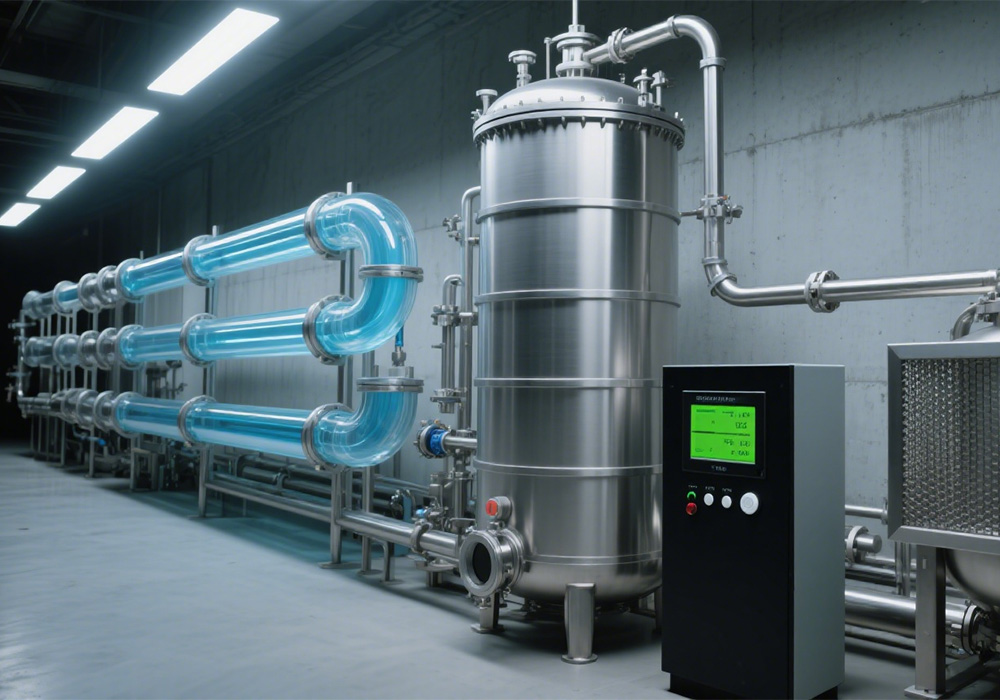
Chemicals: Used for dosing acids, caustic liquids, and dyes with precision.
Adhesives and Resins: Ensure consistent application rates, minimizing waste and maximizing efficiency.
Polymers and Lubricants: Maintain the flow of high-viscosity materials, crucial for processes like coating and molding.
These pumps help maintain product quality and operational efficiency, making them essential in production lines.
In the food and pharmaceutical sectors, hygiene and accuracy are paramount. Gear metering pumps are employed to:
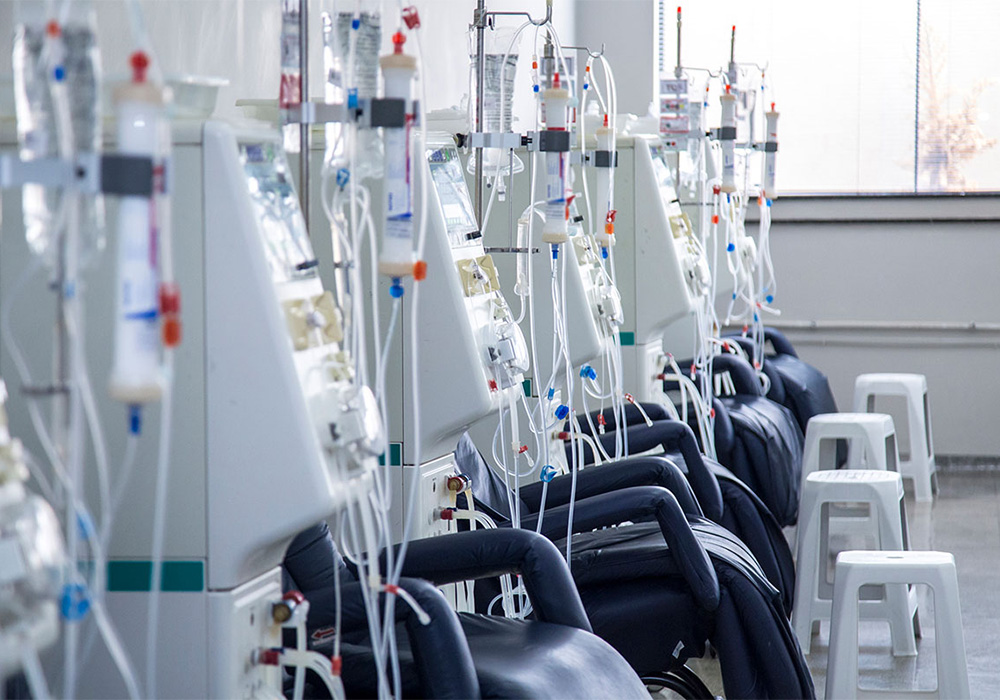
Manage Syrups and Oils: Deliver flavorings and oils without contamination, ensuring product integrity.
Pharmaceutical Formulations: Precisely dispense active ingredients in drug production, adhering to strict regulatory standards.
Beverage Production: Control the flow of ingredients in drinks, ensuring consistent taste and quality.
Their ability to handle shear-sensitive materials without altering their properties makes them a preferred choice in these industries.
In utilities and environmental systems, gear metering pumps play a vital role in:
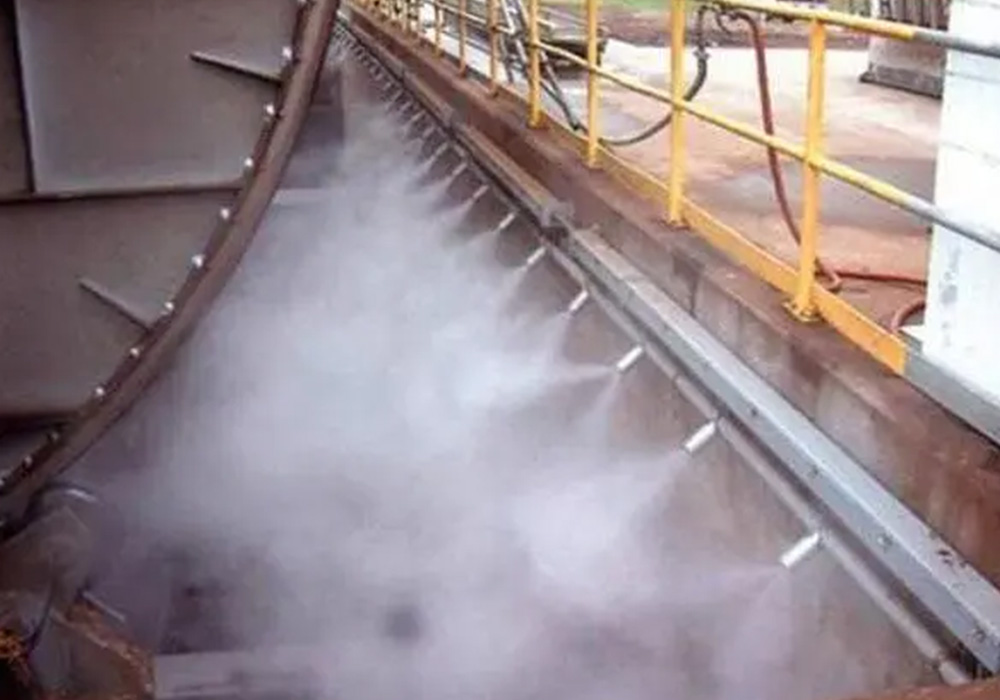
Water Treatment: Accurately dose chemicals like chlorine and pH adjusters, ensuring safe drinking water.
Wastewater Management: Manage the flow of various fluids in treatment processes, maintaining efficiency and compliance with environmental regulations.
Chemical Dosing & Injection: Accurately meter corrosion inhibitors, scale inhibitors, and other treatment chemicals in oil & gas, boiler feedwater, and cooling water systems — where precise chemical addition is critical for system integrity.
Their reliability in demanding environments helps maintain system integrity and efficiency.
Gear metering pumps are versatile and reliable, making them indispensable in various sectors. Their ability to handle diverse fluids while providing accurate and consistent flow rates contributes significantly to operational efficiency and product quality.
Tip: When selecting a gear metering pump for a specific application, consider the fluid properties, required flow rates, and environmental conditions to ensure optimal performance.
Gear metering pumps are favored in various industries for their unique advantages. Their design and functionality provide several benefits, making them a popular choice for precise fluid handling. Here are some key advantages of using gear metering pumps:
One of the standout features of gear metering pumps is their ability to deliver fluids with remarkable accuracy. The interlocking gear mechanism ensures a consistent volume of liquid is dispensed with each rotation. This level of precision is crucial in applications where exact dosing is required, such as in pharmaceuticals or chemical processing. High-quality gear metering pumps can achieve metering accuracy within ±0.3% or better — and in some designs, as high as ±0.1% — making them suitable for critical dosing applications.
Unlike some other pump types, gear metering pumps provide a steady and non-pulsating flow. This characteristic is particularly beneficial in processes that require uniform fluid delivery. The smooth flow helps maintain consistent pressure and reduces the risk of damage to sensitive materials. In applications like ink transfer or food processing, non-pulsating flow ensures product quality and integrity.
Gear metering pumps are designed to handle a wide range of fluid viscosities. They can efficiently manage everything from low-viscosity liquids to high-viscosity materials like adhesives and polymers. This versatility makes them suitable for various industries, including manufacturing, food and beverage, and pharmaceuticals. Their ability to adapt to different fluid properties allows businesses to streamline operations and reduce the need for multiple pump types.
Built with robust materials such as hardened steel, stainless steel, PEEK, and ceramics, gear metering pumps are durable and resistant to wear and corrosion. Their design typically includes fewer moving parts, which translates to lower maintenance requirements. This durability means less downtime and a longer lifespan for the pump, making it a cost-effective solution for businesses. Regular maintenance is still necessary, but the low maintenance needs reduce operational costs over time.
In summary, gear metering pumps offer high accuracy, non-pulsating flow, versatility in handling various viscosities, and durability with low maintenance needs. These advantages make them an excellent choice for industries requiring precise and reliable fluid handling solutions.
Tip: When selecting a gear metering pump, consider the specific viscosity of the fluids you will be handling to ensure optimal performance and longevity.
When selecting a gear metering pump, understanding its specifications is crucial to ensure it meets the demands of your application. Here are the key specifications to consider:
Flow rate is a critical specification for gear metering pumps. It defines the volume of fluid the pump can deliver over time. Depending on the model, flow rates can range from 0.0005 L/min to several hundred liters per minute. Accurately assessing your required flow rate is essential, as it directly impacts operational efficiency. For example, in chemical processing, precise flow rates can prevent over or under-dosing, which can lead to significant cost implications.
Pressure handling capabilities indicate the maximum pressure the pump can withstand during operation. High-end gear metering pumps can handle pressures up to 10,000 psi, while typical industrial models usually operate within the 3–150 bar range. Selecting a pump with appropriate pressure capabilities ensures it can perform reliably under your system's conditions, particularly in high-pressure applications like hydraulic systems or chemical injection.
Viscosity refers to a fluid's resistance to flow, and it varies widely across different applications. Gear metering pumps are designed to handle a broad range of viscosities, from 1 cSt (centistoke) for low-viscosity fluids to 2,000,000 cP (centipoise) for highly viscous materials. Understanding the viscosity of the fluids you will be pumping is vital, as it affects the pump's performance and efficiency. For instance, high-viscosity fluids may require a pump with a more robust design to ensure smooth operation.
The materials used in manufacturing gear metering pumps significantly influence their durability and compatibility with various fluids. Common materials include stainless steel, ceramics, and specialized alloys, which offer resistance to corrosion and wear. Additionally, the choice of sealing options—such as lip seals, mechanical seals, or magnetic couplings—affects the pump's performance and maintenance requirements. Selecting the right materials and seals is essential for ensuring the pump can handle specific chemicals or abrasive materials without degradation.
Specification | Typical Values/Range |
|---|---|
Flow Rate | 0.0005 L/min up to hundreds of L/min |
Pressure Handling | Up to 10,000 psi; typical models 3–150 bar |
Viscosity Range | 1 cSt up to 2,000,000 cP |
Accuracy | ±0.3% or better per revolution |
Material Options | Stainless steel, ceramics, specialized alloys |
Sealing Options | Lip seals, mechanical seals, magnetic couplings |
Rotation Direction | Usually specified (clockwise/counterclockwise) |
Speed Range | Typically 0–3000 rpm (depending on motor and drive configuration) |
By understanding these specifications, you can make informed decisions when selecting gear metering pumps that align with your operational needs.
Tip: Always match the pump's specifications with your application requirements to ensure optimal performance and longevity.
Selecting the right gear metering pump for your application involves several critical factors. Understanding these aspects ensures you make an informed decision, leading to optimal performance and efficiency. Here’s a detailed guide to help you navigate the buying process.
Application Requirements: Identify the specific needs of your application. Consider the type of fluid you will be pumping, its viscosity, temperature, and any chemical compatibility issues. For example, if you're handling corrosive fluids, ensure the pump materials are resistant to corrosion.
Flow Rate and Pressure Needs: Determine the required flow rate and pressure for your application. Gear metering pumps can deliver precise flow rates, but you need to match the pump's capabilities to your operational requirements. High-end pumps can handle pressures up to 10,000 psi, while typical models operate within 3–150 bar.
Pump Type: Choose between different types of gear metering pumps based on your application. External gear pumps are excellent for high-pressure applications, while internal gear pumps are better for viscous fluids. Multiple gear pumps are ideal for high-volume operations.
Leakage Risk and Sealing Method: Consider whether your application can tolerate any leakage. For handling hazardous, toxic, or high-value fluids, a magnetic drive gear pump (seal-less design) eliminates the risk of leakage through the shaft seal. For general-purpose applications where minor leakage is acceptable and cost is a primary concern, a mechanically sealed gear pump may be sufficient. - Mechanical seal: Lower initial cost, requires seal maintenance and replacement over time. - Magnetic drive: Higher initial cost, zero leakage, lower long-term maintenance.
Mounting and Space Constraints: Assess the available space for installation. If you have limited space, consider gear pumps with inline mounting, which can easily integrate into existing systems.
Maintenance and Support Considerations: Look for pumps that offer easy maintenance. Pumps with fewer moving parts generally require less upkeep. Additionally, consider the availability of technical support and spare parts from the manufacturer.
Flow rate and pressure are fundamental specifications for gear metering pumps. The flow rate determines how much fluid the pump can deliver over a specific time, while pressure indicates how much force the pump can exert.
Flow Rate: Flow rates can range significantly based on the pump model, from 0.0005 L/min to hundreds of liters per minute. Evaluate your process needs to avoid over or under-dosing.
Pressure Handling: Ensure the pump can handle the pressure required for your application. High-pressure applications, such as chemical injection, demand pumps capable of sustaining high pressures.
The materials used in gear metering pumps significantly affect performance and durability. Common materials include:
Stainless Steel: Offers resistance to corrosion and wear, making it suitable for various applications.
Ceramics: Ideal for handling abrasive fluids due to their hardness and durability.
Specialized Alloys: Used for highly corrosive environments.
Choose materials based on the fluid's properties and the operating environment to ensure longevity and reliability.
Regular maintenance is essential for the longevity of gear metering pumps. Here are a few considerations:
Ease of Maintenance: Look for pumps that allow easy access to components for routine checks and servicing.
Technical Support: Ensure the manufacturer provides robust support, including troubleshooting and spare parts availability.
Sealing Options: Select appropriate sealing options to prevent leaks and maintain pump efficiency. Options include lip seals, mechanical seals, and magnetic couplings.
By considering these factors, you can choose the right gear metering pump tailored to your specific needs, ensuring efficient and reliable operation in your application.
Tip: Always match the pump's specifications to your application requirements to maximize performance and minimize operational costs.
When evaluating gear metering pumps, it's essential to compare them with other types of metering pumps. Each pump type has unique characteristics, advantages, and limitations that make them suitable for specific applications. Here’s how gear pumps stack up against piston pumps, diaphragm pumps, and peristaltic pumps.
Operating Principle: Gear pumps use rotating gears to create a continuous flow, while piston pumps operate by moving a piston back and forth to create pressure. This difference leads to distinct flow characteristics.
Flow Characteristics: Gear pumps deliver a steady, non-pulsating flow, ideal for continuous processes. In contrast, piston pumps can produce pulsating flow, which may not be suitable for applications requiring precise dosing.
Applications: Gear pumps are excellent for handling low to medium viscosity fluids and are often used in chemical processing and food production. Piston pumps can handle a broader range of viscosities and higher pressures, but they produce a pulsating flow, which may require additional dampening for sensitive applications.
Maintenance: Gear pumps typically have fewer moving parts, leading to lower maintenance needs. Piston pumps may require more frequent servicing due to wear on the piston seals and other components.
Design Differences: Diaphragm pumps utilize a flexible diaphragm to create a pumping action. This design allows them to handle hazardous or corrosive fluids safely, as the fluid is contained within the pump without direct contact with moving parts.
Flow Stability: Gear pumps provide a more consistent flow rate, while diaphragm pumps can exhibit pulsation unless designed with multiple diaphragms to mitigate this effect.
Versatility: Diaphragm pumps offer excellent chemical compatibility and are often used in water treatment and pharmaceutical industries where leak-free operation is critical. However, gear pumps provide higher accuracy (±0.3% vs ±1–2% for most diaphragm designs) and longer diaphragm-free maintenance intervals. Gear pumps are better suited for applications needing high accuracy and low shear, such as in food and beverage processing.
Maintenance and Durability: Gear pumps generally require less maintenance, but diaphragm pumps can be more prone to wear and tear, especially if used with abrasive materials.
Mechanism of Action: Peristaltic pumps work by compressing a flexible tube to move fluid. This design prevents contamination since the fluid does not contact the pump mechanism.
Flow Characteristics: Gear pumps offer a continuous flow, while peristaltic pumps can produce pulsating flow unless designed to minimize this effect.
Applications: Peristaltic pumps are ideal for applications requiring sterile conditions, like in medical and laboratory settings. Gear pumps are preferred in industrial applications where precise flow control is vital.
Ease of Use: Peristaltic pumps are easy to maintain since replacing the tubing is straightforward. Gear pumps, while durable, may require more complex servicing, especially if they handle abrasive or viscous materials.
In summary, gear metering pumps stand out for their consistent, non-pulsating flow and durability, making them a preferred choice for many industrial applications. However, each pump type has its strengths and ideal use cases. Understanding these differences will help you choose the right pump for your specific needs, ensuring optimal performance and efficiency.
Tip: When selecting a metering pump, consider the specific application requirements and fluid characteristics to ensure the best performance and longevity.
Gear metering pumps are essential for precise fluid handling across various industries. They come in different types, including external, internal, multiple gear, and inline mounting pumps. Each type serves unique applications, from chemical dosing to food processing. When selecting a pump, consider flow rates, pressure needs, and material compatibility.
For over 15 years, Suofu has specialized in the design and manufacture of precision micro magnetic gear pumps. Our NP Series gear metering pumps deliver metering accuracy up to ±0.1%, service life exceeding 20,000 hours, and are built with PEEK gears and zirconia ceramic shafts for superior wear resistance. With applications across medical devices, chemical dosing, liquid cooling systems, and new energy, Suofu provides engineering support and customization to meet your specific requirements.

Contact our engineering team with your application data for a tailored recommendation.A: A metering pump is a precision pump designed to deliver a specific volume of fluid at a consistent flow rate, often used in applications requiring accurate dosing.
A: A gear metering pump operates by using interlocking gears to draw in fluid and displace it through an outlet, ensuring a steady and non-pulsating flow.
A: Gear metering pumps offer high accuracy, non-pulsating flow, and durability, making them ideal for applications that require precise fluid handling.
A: Benefits include high precision, versatility in handling various viscosities, and low maintenance requirements, contributing to operational efficiency.
A: The cost of a metering pump can be influenced by factors such as type, flow rate, pressure capabilities, and materials used in its construction.


