
Views: 0 Author: Site Editor Publish Time: 2026-03-16 Origin: Site


Looking for precise fluid control? Micro Pump technology powers miniature hydraulic systems efficiently. In this article, you will learn how to select the right pump, compare types, and optimize performance for compact equipment.
A Micro Pump is a compact device designed to move fluids precisely through small-scale systems. Unlike standard hydraulic pumps, it delivers high accuracy and smooth, controlled flow in tight spaces, making it ideal for miniature hydraulic applications. Micro pumps come in various types, including diaphragm, piston, peristaltic, centrifugal, and gear pumps, each suited for specific tasks and fluid characteristics. They are commonly used in medical equipment, robotics, laboratory devices, and compact industrial systems where space and precision matter. The small size does not compromise performance; instead, it enhances flexibility and integration.
● Diaphragm Pumps: Self-priming, leak-free, suitable for medical or home devices.
● Piston Pumps: High-pressure delivery, perfect for precise dosing applications.
● Peristaltic Pumps: Zero contamination, fluid contained within tubing only.
● Centrifugal Pumps: High flow and quiet operation, great for cooling systems.
● Gear Pumps: Constant displacement, reliable for viscous fluids and lubrication tasks.
Pump Type | Key Feature | Best For | Noise Level |
Diaphragm | Self-priming, leak-free | Medical, Smart Home | Low to Medium |
Piston | High pressure, accurate | Industrial Spraying | Medium |
Peristaltic | Contamination-free | Lab, Pharma, Food | Low |
Centrifugal | High flow, smooth output | Cooling Systems | Ultra-Low |
Gear | Constant displacement | Lubrication, Fuel Supply | Medium |
Micro pumps operate through precise mechanisms like magnetic drives, gears, pistons, or flexible membranes. Each design has a unique way of moving fluid while maintaining accuracy. They interact directly with small hydraulic motors and other fluid circuit components to ensure proper flow and pressure. The flow rate and system pressure must match the micro pump's specifications to prevent underperformance or excessive wear. Magnetic drive micro pumps, for example, eliminate mechanical seals, reducing leakage and improving longevity. Precision in tolerances ensures repeatable performance across cycles, even under demanding conditions.
● Magnetic Drive: Eliminates seals, leak-free operation, low maintenance.
● Gear Mechanism: Provides stable displacement, excellent for viscous fluids.
● Piston Mechanism: Offers high-pressure capabilities, suitable for dosing.
● Membrane/Diaphragm: Maintains separation of fluid and motor, preventing contamination.
When choosing a Micro Pump, matching the pump's flow and pressure to your system's needs is crucial. Over-sizing can waste energy and space, while under-sizing risks underperformance and system strain. Miniature hydraulic devices often operate in tight environments, so precise calibration ensures smooth motion and efficiency. Always check the pump's maximum pressure rating, flow output, and tolerance to fluctuations. It’s also worth noting that repeated start-stop cycles or variable loads affect the effective flow.
● Evaluate the flow requirement in liters per minute (LPM) or gallons per minute (GPM).
● Compare system pressure to the pump's rated pressure to avoid overstrain.
● Consider how hydraulic motors will interact with pump output; mismatched flow reduces reliability:.
Parameter | Typical Range for Micro Pumps | Notes |
Flow Rate (LPM) | 0.1 – 10 | Varies by pump type and application |
Pressure (bar/PSI) | 5 – 200 | High-pressure pumps need reinforced parts |
Motor Compatibility | Micro hydraulic motors | Ensure tubing, valves, and fittings match |
The fluid type dramatically influences pump selection. Micro Pumps must handle water, oils, synthetic fluids, or aggressive chemicals without degradation. Material selection is equally important; stainless steel and titanium resist corrosion, while specialized coatings extend lifespan. For sensitive systems, like laboratory dosing or medical devices, avoiding contamination is vital. Fluids may also vary in viscosity, requiring precise tolerances to maintain smooth operation.
● Corrosion-resistant materials reduce maintenance costs and extend pump life.
● Fluid temperature and chemical compatibility prevent leaks or seal failure.
● Magnetic-drive pumps eliminate mechanical seals, reducing contamination risks.
Material | Best For | Advantages |
Stainless Steel 316L | General industrial fluids | Corrosion-resistant, durable |
Titanium | Aggressive chemicals | High strength, chemical resistance |
Coated Aluminum | Low-viscosity fluids | Lightweight, energy-efficient |
Efficiency impacts both performance and longevity. Micro Pumps generate heat if volumetric or mechanical efficiency is low, so proper design is critical. Cooling strategies, including reservoirs or external heat sinks, help maintain stability. Compact design is essential for mobile machinery, medical devices, or robotics, allowing the pump to fit in confined spaces while still delivering required flow and pressure.
● Optimize volumetric efficiency for energy savings and low thermal output.
● Ensure thermal tolerance aligns with fluid type and operating environment.
● Compact footprint supports system integration and reduces vibration issues.
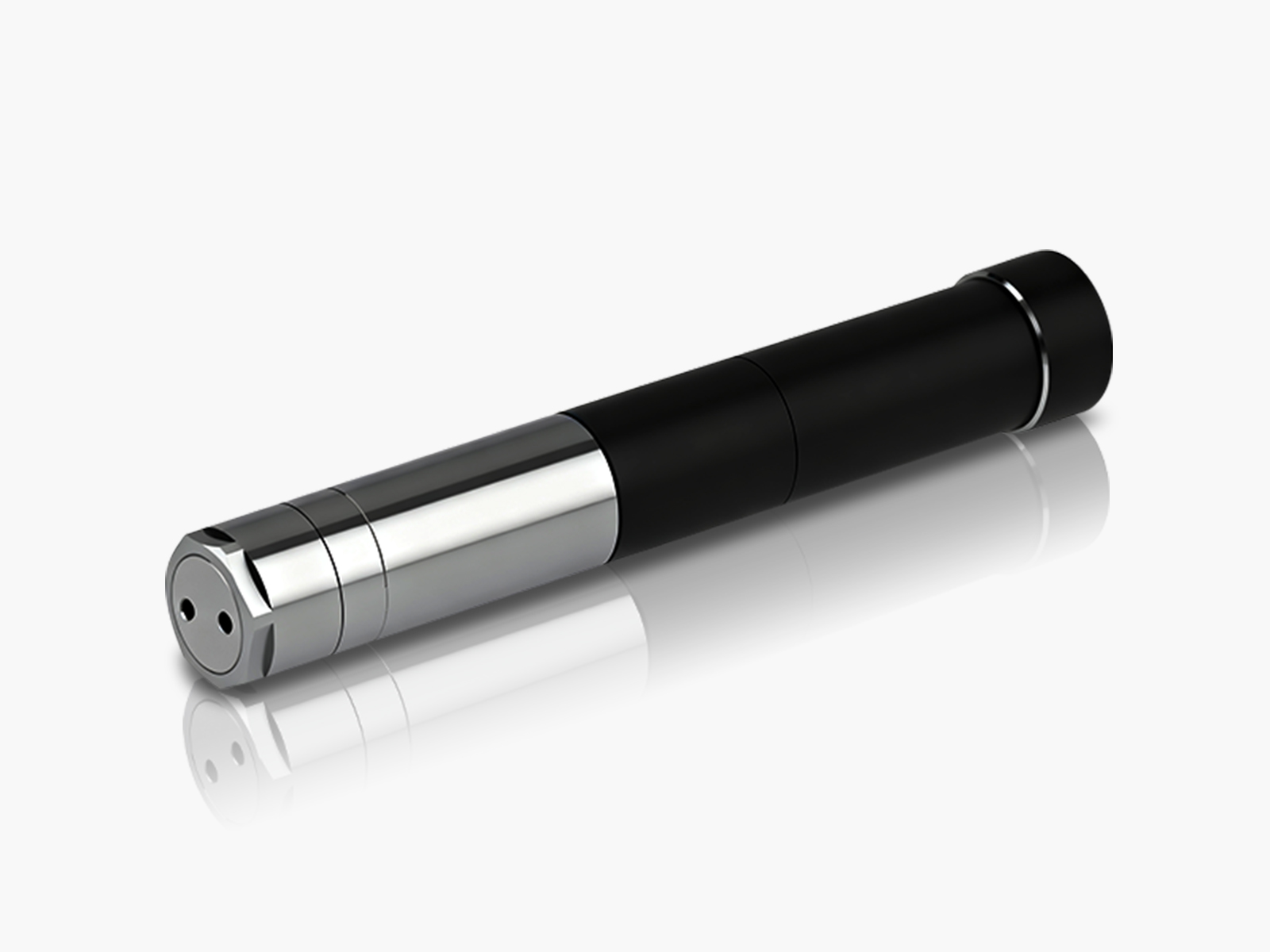
Selecting the right Micro Pump is only part of the design process. Proper integration with small hydraulic motors and system components is equally important for achieving smooth and reliable operation. A well-balanced hydraulic system ensures that fluid flows efficiently between the pump, motor, valves, and actuators without unnecessary pressure losses.
Several design elements influence system performance. Tubing diameter, valve configuration, and fitting selection all affect flow resistance and pressure stability. If tubing is too narrow or fittings are poorly matched, the system may experience excessive pressure drops, reduced flow rates, or even cavitation. Cavitation occurs when vapor bubbles form within the fluid due to pressure fluctuations, which can damage pump components and reduce operational efficiency.
Important design guidelines include:
● Match tubing diameter and fittings with pump output to maintain stable flow and prevent cavitation.
● Use compatible valves and connectors to reduce pressure losses within the hydraulic circuit.
● Include pressure relief valves to protect the system from overload conditions.
● Provide adequate reservoir volume to ensure stable fluid supply and temperature control.
● Plan maintenance access so pumps and motors can be inspected or serviced without dismantling the entire system.
By carefully coordinating pump efficiency, heat management, and system layout, engineers can ensure that Micro Pumps operate reliably in compact hydraulic systems and precision equipment.
Diaphragm micro pumps use a flexible membrane to move fluid. They are self-priming and leak-free, making them ideal for sensitive applications like medical devices, laboratory equipment, or smart home systems. The low pulsation ensures smooth flow, which protects delicate components. Chemical resistance allows them to handle mild acids, alkaline solutions, or cleaning agents without damaging the pump. They are compact, easy to install, and require minimal maintenance, which is why they are popular in automated systems where space is limited.
● Hermetically sealed design prevents contamination.
● Flexible membrane provides consistent dosing even under variable pressure.
● Suitable for robotic vacuum systems, coffee machines, and small fluid dispensers.
Feature | Benefit | Best Use Case |
Self-priming | Starts without external assistance | Smart home appliances |
Leak-free | Prevents contamination and spills | Medical and lab equipment |
Chemical resistant | Handles various fluid types safely | Cleaning solutions or reagents |
Piston micro pumps rely on a solid piston moving within a cylinder to achieve accurate volumetric displacement. They provide high-pressure output and precise fluid delivery, making them suitable for atomization, fuel injection, or medical infusion systems. Their robust design ensures repeatable performance, even under challenging conditions. Piston pumps excel when flow precision and pressure consistency are critical, and they can handle more viscous fluids than diaphragm pumps.
● Excellent for high-pressure spraying or dosing applications.
● Provides volumetric accuracy for microliter-level precision.
● Ideal for compact hydraulic systems needing stable output and strong force.
Peristaltic pumps transfer fluid through rolling compression of flexible tubing, ensuring the fluid never contacts pump components. This design guarantees contamination-free operation, perfect for laboratories, pharmaceutical production, or food processing. Tubing can be replaced easily, allowing quick maintenance. They also tolerate intermittent dry running better than gear or centrifugal pumps, making them highly versatile for sensitive dosing tasks.
● Prevents cross-contamination and preserves fluid integrity.
● Enables precise volumetric dosing and repeatable results.
● Best suited for In-vitro Diagnostics (IVD), food, and medical applications and Gear Micro Pumps
Centrifugal micro pumps generate flow through a high-speed rotating impeller, creating smooth, ultra-quiet delivery. They are ideal for high-volume circulation tasks, such as electronics cooling or aquarium systems. Gear micro pumps, on the other hand, provide consistent displacement, making them highly efficient for viscous fluids like lubricants or fuel. Choosing between them depends on required flow rate, noise tolerance, and fluid type. Gear pumps excel in precision lubrication, while centrifugal pumps are preferable when quiet, high-flow operation matters.
When selecting a Micro Pump, certifications are key indicators of reliability and safety. Pumps often meet CE, ISO 9001/14001, RoHS, REACH, and FDA standards for medical applications, alongside ISO 13485 for device manufacturing. These certifications guarantee that materials, manufacturing processes, and performance adhere to strict international guidelines. Compliance ensures consistent quality, reduces operational risk, and reassures customers that the pump is safe for sensitive fluids or high-precision tasks. For instance, pumps used in pharmaceutical dosing require contamination-free construction and tested reliability.
● CE and ISO ensure safety, quality management, and environmental responsibility.
● FDA and ISO 13485 are crucial for medical device applications.
● RoHS and REACH compliance reduce environmental hazards and material toxicity.
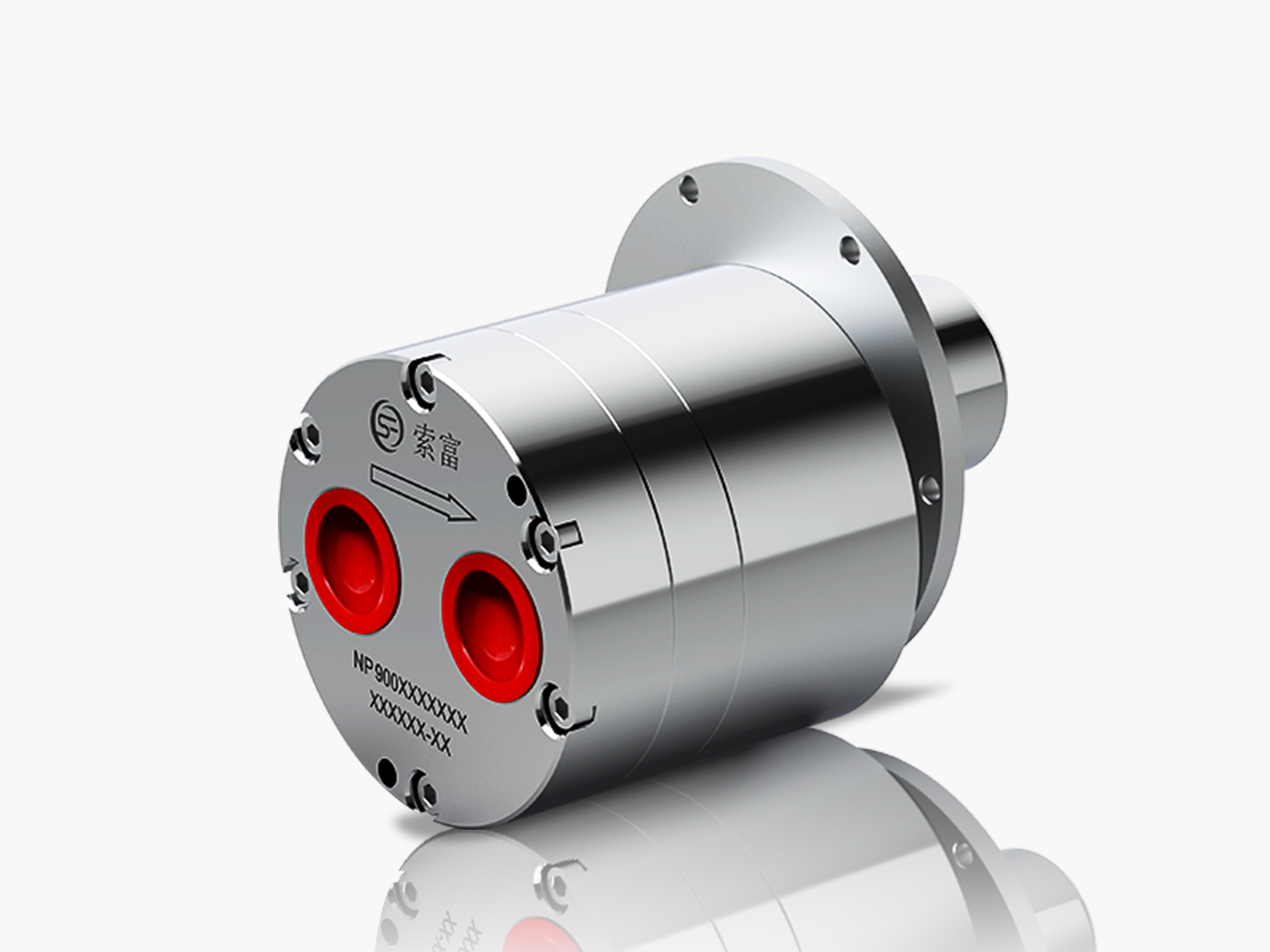
Reliable suppliers like Super Fluid provide guidance through selection, installation, and troubleshooting. Proper support ensures that Micro Pumps integrate seamlessly into compact hydraulic systems. Access to spare parts, documentation, and maintenance support prolongs pump life and minimizes downtime. Technical teams can help adjust flow, pressure, or custom settings to optimize system performance. Regular software or firmware updates may also enhance smart or automated features.
● Pre-sales consultation ensures pump matches system requirements.
● Skilled technicians assist in installation, operation, and problem-solving.
● Long-term support reduces unexpected downtime and repair costs.
Micro Pumps often require tailored solutions for unique system demands. Suppliers can adjust flow rates, pressure curves, and motor control to match resistance in the hydraulic circuit. Smart controls, digital P-Q curves, and automated monitoring help maintain consistent performance. Compact, space-saving designs allow the pump to fit into tight enclosures or mobile devices without compromising efficiency. Customization is critical in medical dosing, laboratory analysis, or precise industrial processes where even minor deviations matter.
● Flow rates and pressure profiles can be tuned for each application.
● Smart controls support real-time monitoring and remote adjustments.
● Compact design supports tight layouts in miniature hydraulic setups.
Choosing the right micro pump ensures precise, efficient fluid handling in compact systems. Super Fluid provides high-quality micro pumps with leak-free, durable designs, versatile flow control, and excellent support, offering reliable performance for miniature hydraulic applications.
A: A micro pump is a compact device that delivers precise fluid flow in miniature hydraulic systems. It is commonly used in medical devices, laboratory equipment, and small industrial systems where accurate fluid control is required.
A: Match flow rate, pressure, and fluid compatibility to your system requirements for optimal performance. You should also consider installation space and system integration to ensure the pump fits your equipment layout.
A: Super Fluid micro pumps offer leak-free operation, high precision, and durability for sensitive applications. They are designed for reliable performance in laboratory, medical, and compact industrial systems.
A: Yes, they work with water, oils, and chemicals depending on the pump materials and design. Selecting compatible materials helps prevent corrosion and ensures long-term pump performance.
A: Ensure proper fluid type, avoid solids or dry running, and follow recommended inspection and maintenance schedules. Regular maintenance helps maintain stable flow and extends the pump’s service life.


