
Views: 0 Author: Site Editor Publish Time: 2026-03-16 Origin: Site
Ever struggled with inconsistent micro-dosing? Micro Pump technology ensures precise low-flow control. In this article, we explore their advantages over piezoelectric pumps. You’ll learn how Micro Pumps deliver reliability, stability, and chemical compatibility for critical applications.
A Micro Pump is a compact, high-precision device designed to move small volumes of fluid accurately. It often uses a magnetic gear-driven system that rotates internal gears to displace fluid, creating a stable, consistent flow. Unlike pumps with traditional seals, these pumps rely on magnetic coupling, eliminating dynamic seals and preventing leaks. They operate across a range of flow rates—from ultra-low micro-dosing applications up to several liters per minute—while maintaining exceptional volumetric accuracy.
Key technical features include:
● Positive displacement design ensures pulse-free, continuous flow.
● Zero-leakage operation protects expensive or hazardous fluids.
● Self-priming and dry-run capability allow reliable start-stop cycles without damage.
● Compatibility with a wide range of viscosities and temperatures ensures flexibility across applications.
Feature | Description | Benefit |
Magnetic Drive | Gears rotate via magnetic coupling | Eliminates dynamic seals, avoids leaks |
Flow Range | 0.01–10 L/min | Supports ultra-low to moderate flows |
Accuracy | ±0.1% volumetric repeatability | Enables precise dosing and sampling |
Materials | PEEK, ceramic, stainless steel | Chemical resistance, durability |
Micro Pumps shine in low-flow precision tasks, offering advantages that piezoelectric alternatives cannot always match. They deliver smooth, pulse-free fluid movement, which is essential for analytical measurements, micro-dosing, and laboratory automation. They handle sensitive fluids—acids, solvents, or even biological samples—without compromising safety or accuracy. Their robust mechanical design allows continuous operation for thousands of hours, and magnetic coupling ensures minimal wear even under demanding conditions. Operators appreciate the predictable, consistent flow, which reduces recalibration and maintenance costs.
Additional benefits include:
● High durability: capable of operating under varying pressure and temperature ranges without degradation.
● Low maintenance: fewer moving seals reduce wear points and downtime.
● Customizability: flow rates and motor types can be adjusted for application-specific needs.
● Global compliance: CE, ISO, RoHS, and REACH certifications guarantee quality and reliability for industrial or medical use.
● Ideal industries: pharmaceutical, semiconductor cooling, chemical processing, and analytical laboratories.
● They support integration into automated systems using programmable controllers for precise dosing schedules.
The combination of precision, reliability, and chemical versatility makes Micro Pumps a preferred choice for engineers who cannot compromise on flow accuracy or fluid safety, especially in critical low-flow applications. They are particularly valuable where system stability and reproducibility are priorities, and where even minor leaks or pulsation could disrupt operations.

Piezoelectric pumps operate using thin membranes or diaphragms that flex when an electric field is applied. These membranes generate small, precise volume changes in the fluid chamber, producing flow incrementally. The mechanism allows extremely fine control of micro-displacement, which is essential in applications requiring very small dosing or sample transfer. They are often integrated into compact systems because the actuators are tiny and can be arranged in stacked or planar designs. The flow is usually pulsed, meaning careful system design is required to minimize vibration or instability in sensitive operations. Piezo pumps excel in ultra-compact setups, where space constraints and extremely low-volume handling are priorities.
Piezoelectric pumps offer notable advantages:
● Ultra-compact size: fits easily into handheld or benchtop devices.
● Fine dosing capability: can deliver nanoliter to microliter volumes with each actuation.
● Fast response time: reacts almost instantly to control signals, allowing rapid changes in flow.
However, they come with limitations:
● Viscosity sensitivity: thicker fluids reduce performance and accuracy.
● Pressure limitations: cannot easily maintain high back-pressure environments.
● Durability concerns: long-term operation may cause material fatigue in the membranes, especially in continuous or high-frequency usage.
Feature | Benefit | Limitation |
Membrane Actuation | Precise micro-dosing | Sensitive to viscosity changes |
Compact Form Factor | Ideal for space-constrained devices | Limited flow and pressure range |
Electrical Control | Fast response to input signals | Long-term durability may vary |
Piezo pumps are widely used where space and precision matter most. They are ideal for analytical instrumentation, laboratory micro-dosing, and small-volume chemical transfer. Common implementations include:
● Microfluidic lab devices: precise sample injection into channels.
● Medical diagnostic instruments: accurate reagent or fluid delivery in handheld analyzers.
● Experimental setups: dosing small quantities of solvents, biological fluids, or calibration liquids.
Key points for engineers and operators:
● Choose piezo pumps when system size is constrained, and volume per actuation must be extremely small.
● Monitor fluid viscosity carefully to maintain accuracy and repeatability.
● Consider integrating a buffer or pulse dampener for smoother flow in sensitive experiments.
When it comes to flow precision, Micro Pumps clearly stand out in low-flow applications. They provide pulse-free, continuous flow, which ensures consistent volumetric delivery even during long operation cycles. Piezoelectric pumps, in contrast, deliver flow in micro-pulses, which can require additional damping to stabilize output. Engineers often choose Micro Pumps from
Super Fluid because their magnetic gear design maintains tight tolerance and minimal variation in output, making them ideal for analytical labs, medical devices, or industrial fluid circuits. Users can rely on repeatable micro-dosing, which reduces recalibration and improves system reliability over time.
Pump Type | Flow Characteristic | Ideal Use |
Micro Pump | Pulse-free, stable | Lab, pharma, industrial dosing |
Piezoelectric Pump | Pulsed, micro-volume | Compact devices, low-volume tasks |
● Micro Pumps can operate over a wider range of viscosities without affecting flow rate or repeatability.
● Piezo pumps may struggle with viscous or abrasive fluids, requiring careful fluid selection.
● Continuous operation is easier for Micro Pumps because they withstand longer running hours without compromising accuracy.
Micro Pumps excel in chemical versatility. Their construction materials—PEEK, ceramic, stainless steel—allow handling of corrosive, sensitive, or viscous fluids safely. They also tolerate temperature fluctuations and aggressive solvents, making them suitable for both industrial and laboratory environments. Piezoelectric pumps, while compact, often have limitations in chemical resistance, especially with solvents or high-viscosity fluids. Users who need reliable fluid handling in demanding applications often prefer Micro Pumps for these reasons.
● Micro Pumps support self-priming and dry-run conditions, which adds to operational flexibility.
● Piezo pumps require careful monitoring of fluid properties to avoid damage or inconsistent flow.
● Maintenance intervals are longer for Micro Pumps due to robust sealing and minimal wear components.
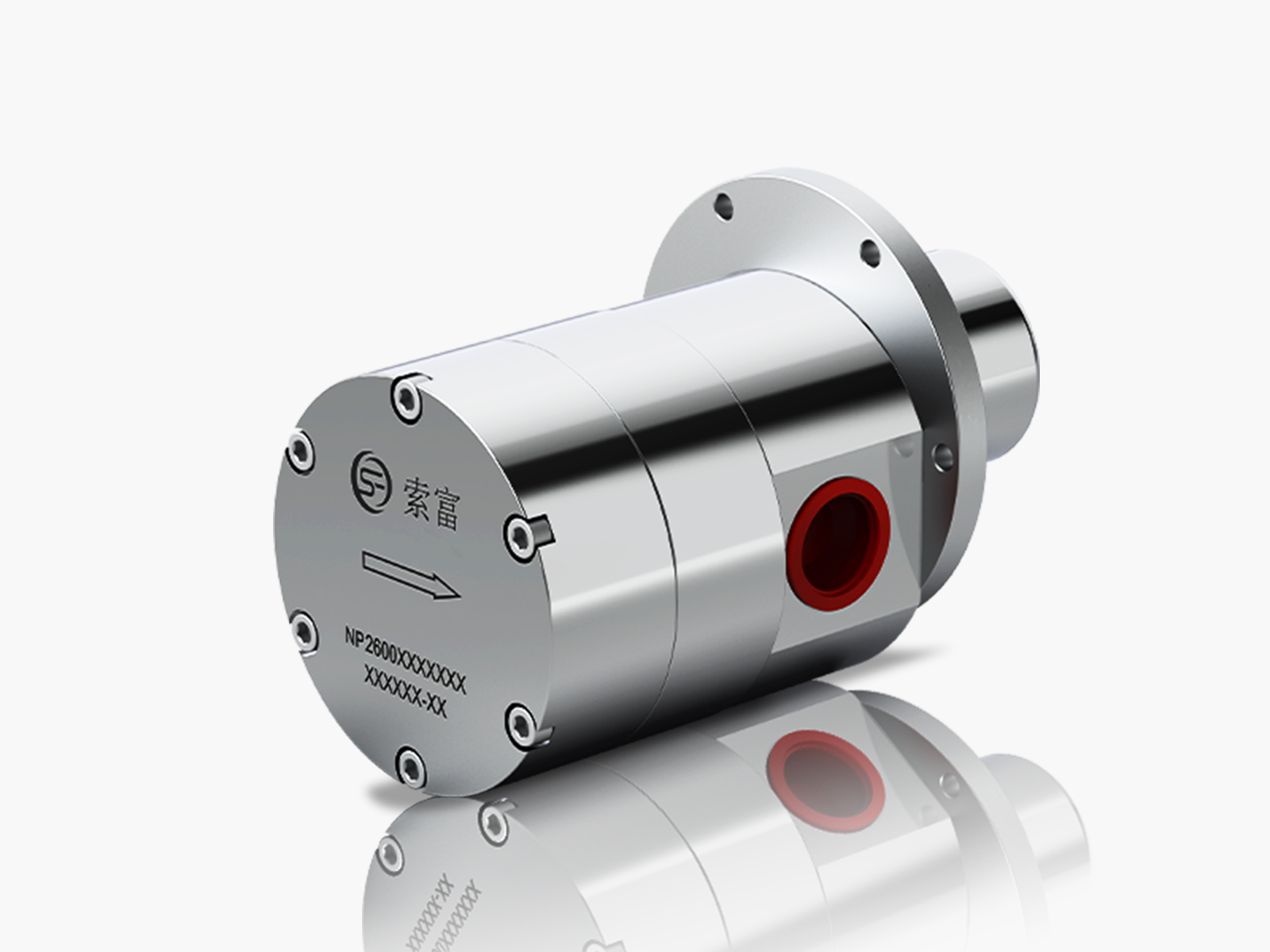
Durability is another major advantage for Micro Pumps. The magnetic coupling design eliminates dynamic seals, reducing wear and extending service life. These pumps often run thousands of hours continuously, with minimal maintenance. Piezoelectric pumps, however, rely on flexible membranes, which can fatigue over time and require more frequent replacement.
Choosing Micro Pumps from a reputable manufacturer like Super Fluid ensures technical support, compliance with certifications, and custom options to fit specific low-flow applications. Users benefit from reduced downtime, lower maintenance costs, and predictable, stable operation in high-precision setups.
Feature | Micro Pump | Piezoelectric Pump |
Maintenance | Low | Moderate-High |
Service Life | 20,000+ hours | Variable, membrane wear |
Durability | High | Sensitive to fluid & frequency |
Reliability | Consistent pulse-free flow | Pulsed flow, may require damping |
Choosing the right Micro Pump for low-flow precision applications requires careful evaluation of several technical and operational factors.
Low-flow systems—such as laboratory instruments, medical dosing devices, and analytical equipment—often demand extremely accurate and stable fluid delivery.If the pump cannot maintain consistent flow or handle the required fluid properties, the entire system may suffer from unstable measurements, dosing errors, or equipment damage.
Therefore, engineers must consider fluid compatibility, flow precision, integration capability, and long-term operating costs before selecting a pump.
When selecting a Micro Pump for low-flow tasks, several practical parameters should be analyzed to ensure optimal performance.
Fluid properties strongly influence pump material selection and durability.Some liquids used in laboratory or industrial processes may be corrosive, viscous, or chemically sensitive.To ensure long service life and prevent contamination, Micro Pumps often use chemically resistant materials such as:
● PEEK for high chemical resistance
● Ceramic components for durability and precision
● Stainless steel for aggressive solvents or industrial fluids
● PTFE seals for improved corrosion resistance
Selecting the correct materials ensures stable operation when handling acids, solvents, pharmaceutical reagents, or biological samples.
Low-flow systems frequently require extremely accurate dosing.For example, microfluidic experiments or reagent delivery systems may require flow control at microliter or even nanoliter levels.In these situations, pulse-free Micro Pump designs are particularly valuable because they provide smooth and stable flow output.
Key benefits include:
● Reduced pulsation for precise dosing
● Improved measurement stability in analytical equipment
● Better repeatability in laboratory experiments
● Consistent flow control in automated systems
These characteristics are especially important in:
● Chromatography systems
● Microfluidic chips
● Drug delivery devices
● Chemical dosing applications
Another important factor is how easily the pump integrates with existing systems.Modern Micro Pumps are often designed to support flexible configurations that simplify installation in complex equipment.
For instance, Micro Pumps from Super Fluid provide adaptable design options that make them suitable for automated systems.
Integration advantages include:
● Support for DC or AC motor configurations
● Compact pump structures for tight installation spaces
● Programmable flow control for automated operation
● Compatibility with laboratory instruments and industrial control systems
These features allow engineers to easily embed the pump into medical devices, laboratory analyzers, or industrial process equipment.
Many low-flow applications are installed in compact or portable equipment.
Examples include:
● Portable diagnostic devices
● Laboratory automation modules
● Microfluidic testing platforms
● Embedded industrial sensors
A compact Micro Pump design helps engineers maintain system functionality while minimizing overall equipment size.Flexible mounting options and lightweight construction also improve design flexibility.
Factor | Micro Pump Advantage | Notes |
Fluid Compatibility | Handles acids, solvents, biological fluids | PEEK, ceramic, stainless steel materials |
Flow Precision | ±0.1% volumetric repeatability | Pulse-free operation for stable flow |
System Integration | Compatible with automation systems | Programmable motor and digital control |
Footprint | Compact and flexible design | Ideal for tight installation spaces |
Balancing cost and performance is another critical step when selecting a Micro Pump.Although some piezoelectric pumps may appear less expensive initially, high-quality Micro Pumps often provide greater long-term value through improved reliability and reduced maintenance.Instead of focusing only on purchase price, engineers should evaluate the total cost of ownership (TCO).
Important factors include:
● Energy consumption during operation
● Maintenance frequency and service intervals
● Spare parts replacement costs
● Calibration requirements
● Potential system downtime
In sensitive environments such as biotechnology or pharmaceutical production, flow instability can lead to wasted materials, failed experiments, or inaccurate dosing.
Advanced Micro Pump designs help minimize these risks.For example, some Micro Pumps use magnetic coupling technology, which removes the need for traditional shaft seals.
This design provides several benefits:
● Reduced mechanical wear
● Elimination of seal leakage risks
● Lower maintenance requirements
● Longer pump service life
Additionally, optimized motor designs allow Micro Pumps to operate with high energy efficiency, making them suitable for both stationary equipment and portable systems.
Super Fluid Micro Pumps provide precise, pulse-free flow and chemical resistance, outperforming piezoelectric pumps in low-flow applications, offering reliable performance, long service life, and seamless integration for medical, laboratory, and industrial systems.
A: A Micro Pump delivers precise low-flow fluid with stable, pulse-free output for sensitive applications.
A: Micro Pumps offer continuous, reliable flow, while piezoelectric pumps operate with pulsed micro-dosing.
A: They provide chemical compatibility, durability, and high accuracy in medical, lab, and industrial systems.
A: They handle micro-dosing, sampling, and fluid transfer tasks requiring stable and precise flow.
A: Minimal wear, low downtime, and long service life reduce maintenance compared to piezoelectric pumps.


